Packaged products
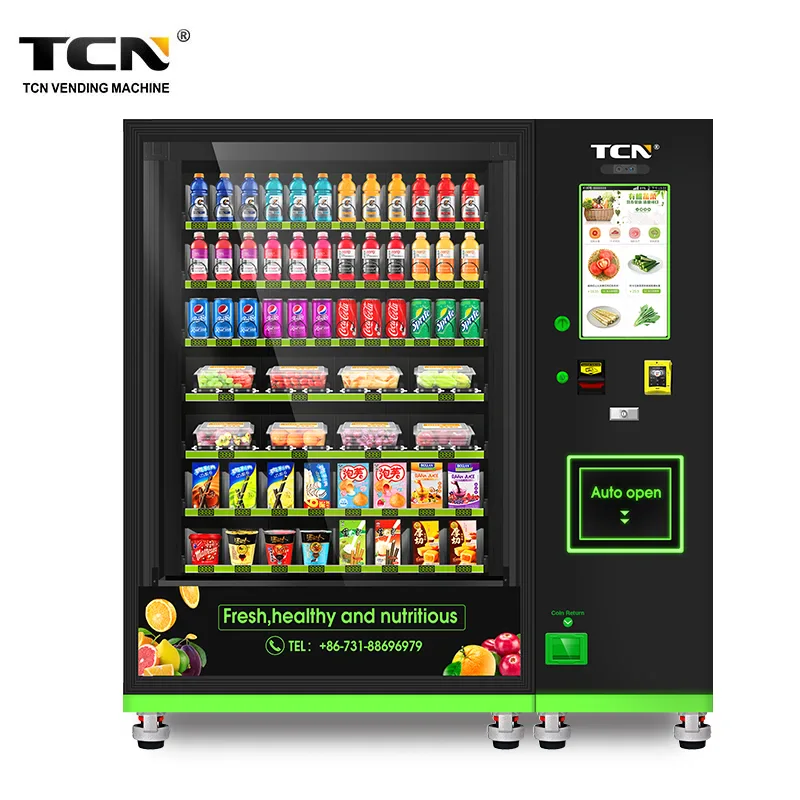
A vending cabinet can serve as one component of a self-service retail zone.
What to verifyConfirm product dimensions, storage conditions, dispensing and local payment configuration.
Explore TCN-CFS-8V(V22)
Automated retail · Saudi Arabia
Start with what customers will buy and who will keep the site running. We assess the format, equipment and operating requirements before committing to a complete installation.
Start with the operation
An automated shop is not one product. These are formats to assess—not three ready-made systems that the listed machines can deliver on their own.
A set of machines dispensing selected products. Define stocking, payment, refund and maintenance responsibilities per machine.
An open product selection with a checkout workflow. Assess inventory accuracy, payment, stock loss and the support customers need.
Access and checkout work together. This adds identity, exit, privacy and exception requirements that need a separate system design.
Where equipment fits
These examples help define the scope. Final equipment, quantities and configuration follow the site assessment.
A vending cabinet can serve as one component of a self-service retail zone.
What to verifyConfirm product dimensions, storage conditions, dispensing and local payment configuration.
Explore TCN-CFS-8V(V22)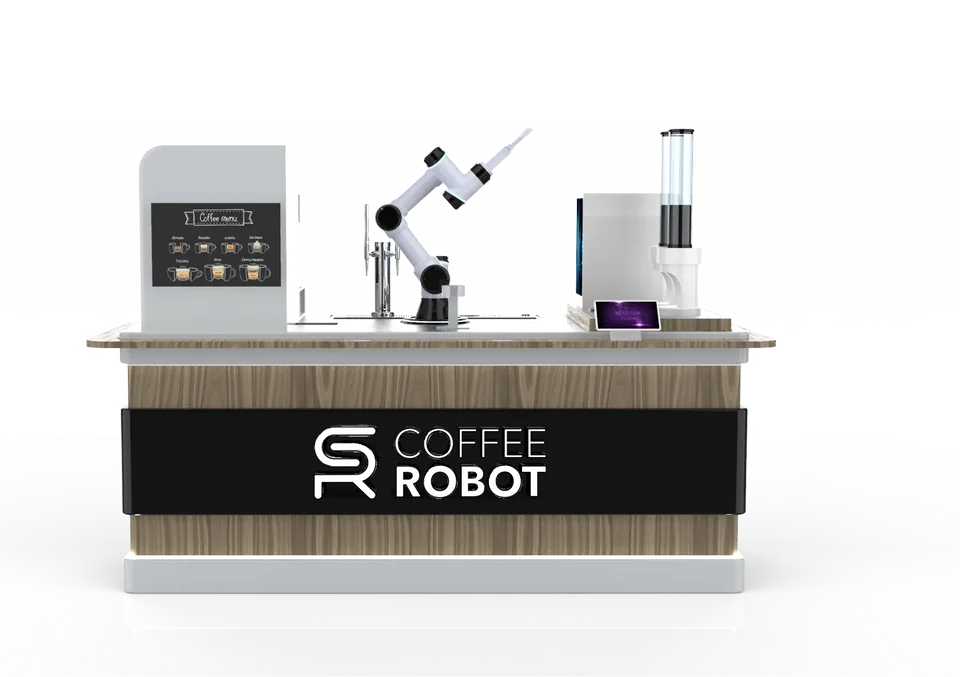
A robotic coffee point adds a preparation workflow, with its own menu, utilities and servicing.
What to verifyPlan ingredients, cleaning, collection and staff access—not only the customer screen.
Explore Hestia Coffee Robot C1 ProYour site. One project.
Tell us the location, customer group, opening hours and intended product mix. The first output is a scoped feasibility and operating plan; full delivery depends on the agreed system and partners.
Site requirements
Use these checks to define the proposal, the responsibilities and the acceptance test.
Product availability, displayed price and payment authorisation.
Verify the selected payment provider and terminal, including any required mada support.
Dispensing, collection, failed purchases and refunds.
Define a reachable support channel and a recovery process when no attendant is present.
Food handling, stock control, cleaning and service.
Assign a physical operating team and the data they need.
Store entry, customer information and system permissions.
Review requirements for the chosen format before promising unattended access.
Pilot and decision
Measure a representative operation before and during the trial. Use the results to decide what to change, where to expand and whether the project makes economic sense.
Test real products, successful payment and successful collection together.
Record failed payments, refunds, stock loss and service interruptions.
Include replenishment, ingredients, utilities, rent, support and downtime.
The proposal should define equipment, site preparation, integration work, training, acceptance criteria and service responsibilities. Savings and payback require your operating baseline.
Explore the equipment
Compare the actual configuration and requirements. These are equipment options, not a claim that a complete site system is included.
Four ways to deploy
All four options can be requested. Configuration, availability, minimum term and service scope are confirmed in your quote.
Own the equipment. The quote defines configuration, deployment and the service package.
Use a robot for an agreed period. Confirm dates, availability, minimum term and setup costs before booking.
Plan for ongoing operation. Equipment, contract term, maintenance and responsibilities belong in the proposal.
Combine the robot with deployment and an agreed operating and service scope. Define monitoring, maintenance and performance measures for your site.
Before you choose
Not yet as a standard package. This offer starts with assessment and design. A delivery proposal must specify equipment, software, partners, responsibilities and acceptance criteria.
Local payment support must be verified for the chosen terminal, provider and configuration. It is not implied by a machine having a payment screen.
The operating model must name the responsible team for both. Unattended sales still require stocking, cleaning, maintenance and customer support.
A machine is one component. A site project also addresses the customer journey, operating team, utilities, systems and economics across the whole installation.
Your site. One project.
Tell us the location, customer group, opening hours and intended product mix. The first output is a scoped feasibility and operating plan; full delivery depends on the agreed system and partners.