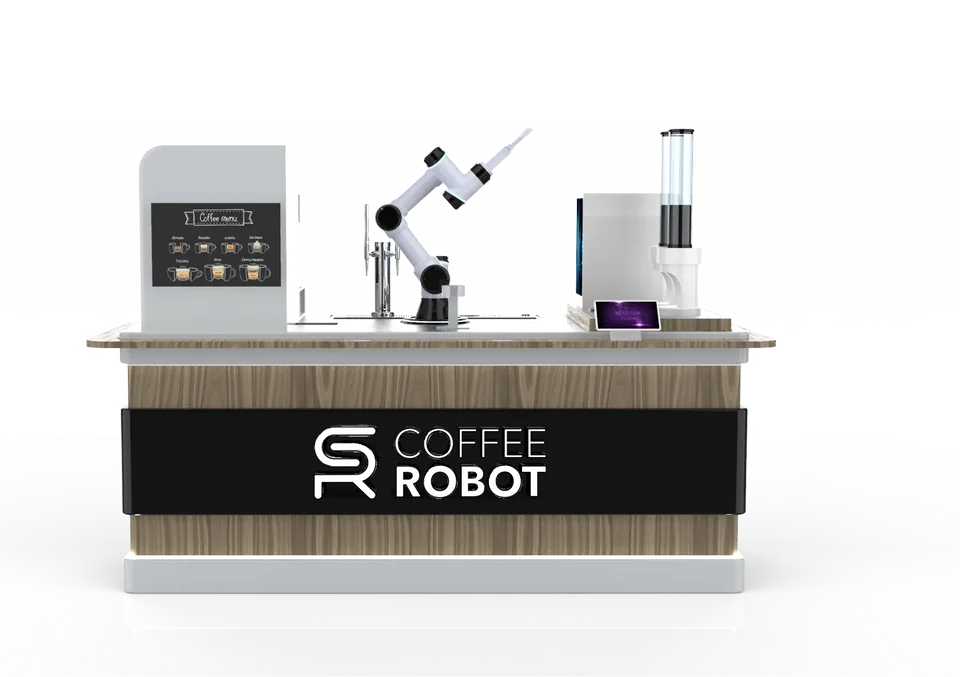
Hestia C1 Pro
Explore a robotic coffee system as the basis for a configured coffee point.
What to verifyConfirm the recipe set, equipment package and servicing procedure for your site.
Explore Hestia Coffee Robot C1 Pro
Robotic coffee kiosks · Saudi Arabia
A robot barista is one part of a coffee business. Plan the menu, order flow and daily care together so the counter works through a real trading day.
Start with the operation
Test the whole sequence with the menu you intend to sell. A fast demonstration drink does not establish peak-hour capacity.
Define drink choices, payment and preparation steps. Check how a varied menu changes cycle time.
Make the collection point obvious. Test queues, incorrect orders and the route to customer support.
Schedule cleaning, ingredient replenishment and waste handling with a named operating team.
Self-service coffee
A coffee station, vending machine and robotic kiosk can serve different needs. Compare the drinks customers want, peak demand and the work needed to keep the point running.
| Format | What to establish | Operating responsibilities |
|---|---|---|
| Self-service coffee station | Drink menu, customer steps, cup handling and whether payment happens at the station or elsewhere. | Refill ingredients and cups, clean the equipment, handle spills and check drink quality. |
| Coffee vending machine | Available recipes, payment method, vend time and capacity between refills. | Replenishment, hygiene, payment exceptions and maintenance. Confirm the exact equipment and payment setup. |
| Robotic coffee kiosk | Which preparation steps are automated, the supported menu, customer handoff and space needed for equipment and service access. | Ingredient preparation, refills, cleaning, fault recovery and support. A robot arm does not remove these responsibilities. |
Test your actual drink mix, not one ideal recipe. Compare completed drinks, queue time, downtime, staff minutes and the full cost per sale. A robotic presentation may suit the location, but it is not evidence of higher profit.
Where equipment fits
These examples help define the scope. Final equipment, quantities and configuration follow the site assessment.
Explore a robotic coffee system as the basis for a configured coffee point.
What to verifyConfirm the recipe set, equipment package and servicing procedure for your site.
Explore Hestia Coffee Robot C1 ProYour site. One project.
Share the venue, expected opening hours, menu idea and busy periods. We’ll scope the configuration and operating trial before you commit to a launch.
Site requirements
Use these checks to define the proposal, the responsibilities and the acceptance test.
Drink mix, busy periods and acceptable waiting time.
Trial the intended recipes and peak queue before setting a sales forecast.
Power, water arrangements, waste and staff access.
Confirm the supplier’s installation requirements for the chosen configuration.
Order interface, local payment and failed orders.
Verify the provider connection and the process for refunds and customer help.
Ingredients, cleaning and hygiene responsibilities.
Assign daily checks and confirm applicable site requirements before opening.
Pilot and decision
Measure a representative operation before and during the trial. Use the results to decide what to change, where to expand and whether the project makes economic sense.
Measure order-to-collection time and completed drinks during a representative peak.
Count refilling, cleaning, resets and customer support.
Use actual ingredient cost, waste, site cost and service fees; model quiet periods too.
The proposal should define equipment, site preparation, integration work, training, acceptance criteria and service responsibilities. Savings and payback require your operating baseline.
Explore the equipment
Compare the actual configuration and requirements. These are equipment options, not a claim that a complete site system is included.
Four ways to deploy
All four options can be requested. Configuration, availability, minimum term and service scope are confirmed in your quote.
Own the equipment. The quote defines configuration, deployment and the service package.
Use a robot for an agreed period. Confirm dates, availability, minimum term and setup costs before booking.
Plan for ongoing operation. Equipment, contract term, maintenance and responsibilities belong in the proposal.
Combine the robot with deployment and an agreed operating and service scope. Define monitoring, maintenance and performance measures for your site.
Before you choose
It still needs ingredient replenishment, cleaning, waste handling, maintenance and customer support. How often someone attends depends on demand and configuration.
The recipe set and ingredients must be validated on the selected configuration. Confirm preparation steps and cleaning implications rather than assuming every drink is supported.
Payment hardware, provider support and system integration must be specified in the quote. A demonstration order interface does not confirm a live Saudi payment connection.
Compare the preparation method, menu, customer interaction, space and service workload. Choose for the operating result, not simply for the presence of a robotic arm.
Your site. One project.
Share the venue, expected opening hours, menu idea and busy periods. We’ll scope the configuration and operating trial before you commit to a launch.