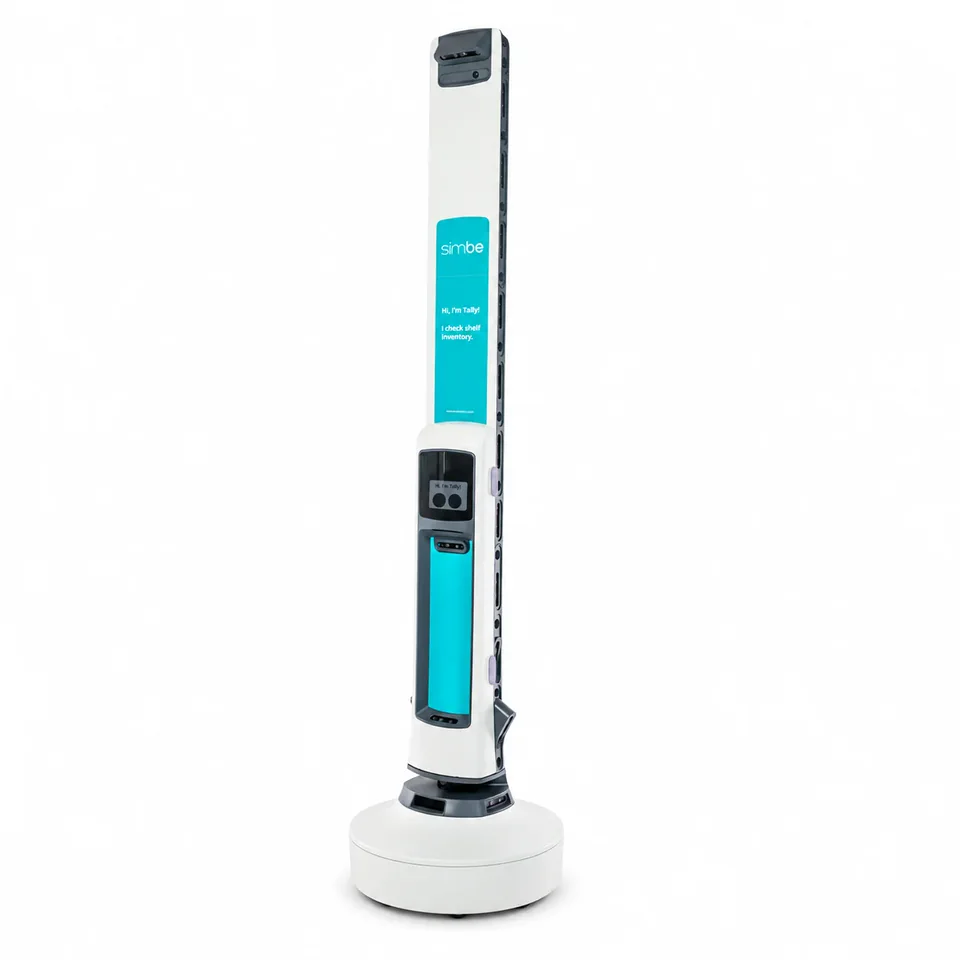
Shelf visibility
Tally checks shelves for issues such as missing products, misplaced items and pricing discrepancies.
What to verifyTest shelf visibility, label formats and how findings reach the store team.
Explore Simbe Robotics Tally 4.0
Retail & supermarkets · Saudi Arabia
Find the shelf gaps. Keep the floor ready. Give staff a clear next action. Build a store robotics project around the work that happens every day.
Start with the operation
Retail automation must close the loop between spotting a problem and fixing it. Start with one store and one operational owner.
Scan visible shelf conditions, read tagged stock or inspect a completed cleaning route. Choose the method for the question you need answered.
Turn a useful finding into a task for the right team. Agree how exceptions reach staff before choosing a software connection.
Staff replenish, correct labels or handle an inaccessible area. Record completion so repeated findings do not become background noise.
Stocktaking & shelf availability
A stock count and a shelf check answer different questions. Start with the discrepancy your team needs to find, then choose how to collect the evidence.
| Approach | What it can tell you | What your team still does |
|---|---|---|
| Manual count | Staff count items and inspect their condition or location. Useful for exceptions, small areas and checks that need judgement. | Schedule the count, record results and reconcile differences with the inventory system. |
| Handheld barcode or RFID reader | Barcodes identify scanned labels; counts still depend on the counting process. RFID reads compatible tags within range, including items that are not directly visible. | Maintain labels or tags, walk the area and investigate discrepancies. RFID needs suitable item tagging and reader configuration. |
| Robotic shelf or RFID scan | Visual shelf scanning checks visible shelf conditions. An RFID robot reads compatible tags. Neither method automatically proves every shelf is stocked correctly. | Resolve alerts, refill shelves and reconcile records. Test recognition or read coverage against a manual sample before rollout. |
For empty shelves, measure whether an alert leads to timely replenishment. For inventory accuracy, compare the count with a trusted sample. A robot that finds a gap does not physically replenish it.
Where equipment fits
These examples help define the scope. Final equipment, quantities and configuration follow the site assessment.
Tally checks shelves for issues such as missing products, misplaced items and pricing discrepancies.
What to verifyTest shelf visibility, label formats and how findings reach the store team.
Explore Simbe Robotics Tally 4.0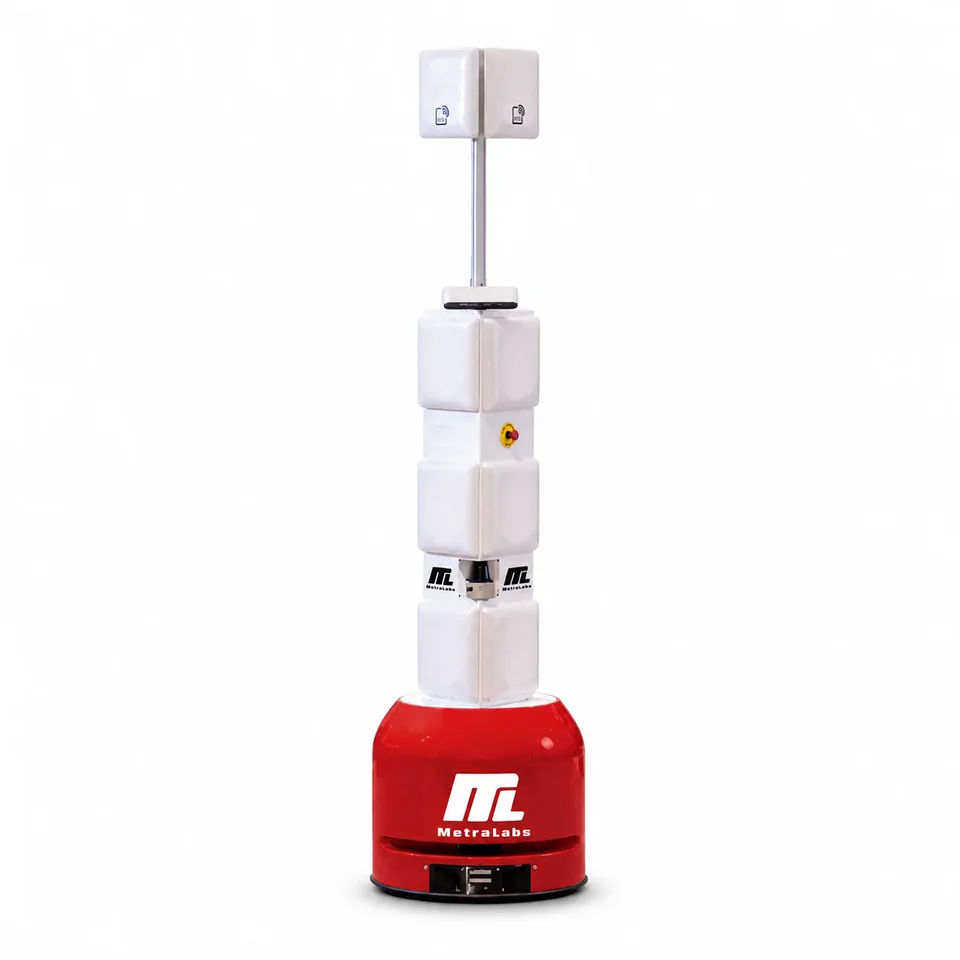
TORY RFID is an inventory option for merchandise carrying compatible RFID tags. This is different from reading shelf images.
What to verifyCheck tag coverage, read accuracy and reconciliation with stock records.
Explore MetraLabs TORY RFID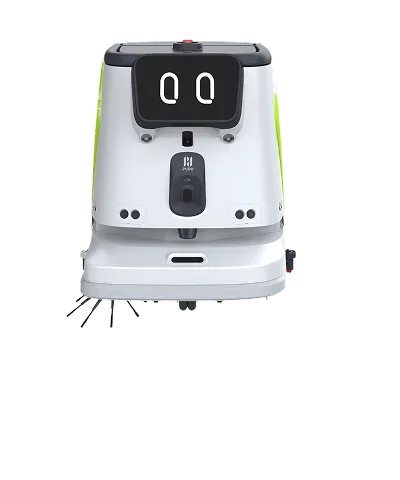
Schedule floor cleaning around shoppers, replenishment and checkout traffic. Keep manual care for areas outside the robot’s route.
What to verifyCheck floor finishes, spills, aisle access and daily servicing.
Explore PUDU CC1 Pro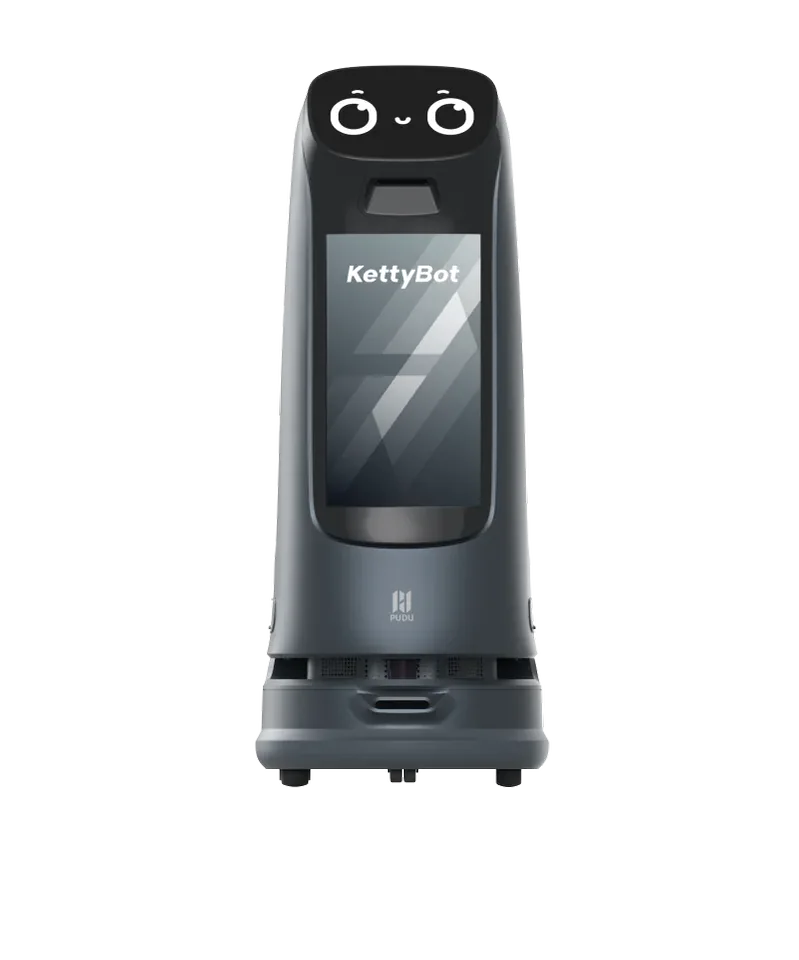
Use a defined greeting, promotional display or guidance route where it has a clear purpose.
What to verifyTest the exact interaction, accessibility and handoff to a member of staff.
Explore PUDU KettyBot ProYour site. One project.
Tell us your store format, number of sites and the operation you want to improve. We’ll scope a first-store trial before a wider rollout.
Site requirements
Use these checks to define the proposal, the responsibilities and the acceptance test.
Inventory, price and task data have different owners.
Specify required fields, permissions and the exact connection to test.
Layouts and footfall change throughout the day.
Trial during normal trading and replenishment, not only in an empty aisle.
A finding needs a person who can resolve it.
Assign task routing, escalation and end-of-shift review.
Pilot and decision
Measure a representative operation before and during the trial. Use the results to decide what to change, where to expand and whether the project makes economic sense.
Measure the time from a useful finding to a completed staff action.
Sample-check scan results against a manual store audit.
Include checking, replenishment, interventions and daily robot care.
The proposal should define equipment, site preparation, integration work, training, acceptance criteria and service responsibilities. Savings and payback require your operating baseline.
Explore the equipment
Compare the actual configuration and requirements. These are equipment options, not a claim that a complete site system is included.
Simbe Robotics
MetraLabs
Pudu Robotics
Pudu Robotics
Four ways to deploy
All four options can be requested. Configuration, availability, minimum term and service scope are confirmed in your quote.
Own the equipment. The quote defines configuration, deployment and the service package.
Use a robot for an agreed period. Confirm dates, availability, minimum term and setup costs before booking.
Plan for ongoing operation. Equipment, contract term, maintenance and responsibilities belong in the proposal.
Combine the robot with deployment and an agreed operating and service scope. Define monitoring, maintenance and performance measures for your site.
Before you choose
No. Scanning identifies issues; replenishment remains a separate staff or automation workflow. The project must define who receives and completes each task.
No. Visual shelf checks and RFID inventory answer different questions. RFID needs compatible tags; a shelf image is not a complete count of stock in the building.
The proposed product, software and data permissions must be checked against your system. The proposal should name the supported connection and any additional integration work.
No. This page covers improving an existing store operation. A self-service or cashierless shop also needs a checkout, payment, access and exception-handling design.
Your site. One project.
Tell us your store format, number of sites and the operation you want to improve. We’ll scope a first-store trial before a wider rollout.