01
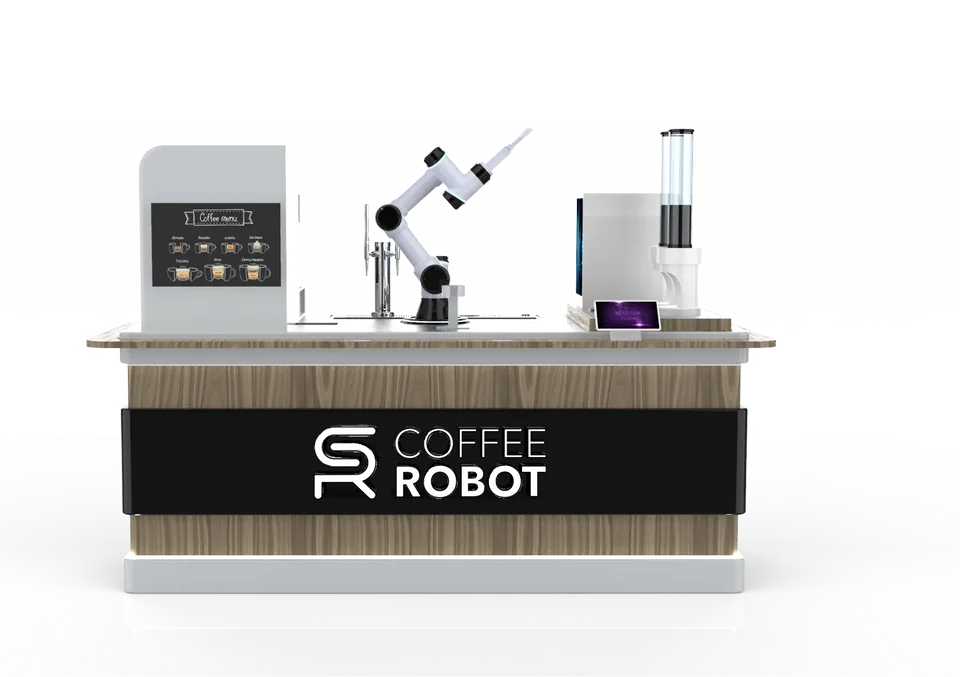
Prepare coffee
Define the drinks, serving format, replenishment and cleaning routine.
Explore Hestia Coffee Robot C1 Pro
Food & beverage automation · Saudi Arabia & MENA
Choose commercial kitchen robotics around a specific menu operation. Cooking, preparation and beverage production have different equipment, utilities and staff workflows.
The application
Start with the workflow. These are different applications, not a ranking of interchangeable robots.
Define the drinks, serving format, replenishment and cleaning routine.
Explore Hestia Coffee Robot C1 Pro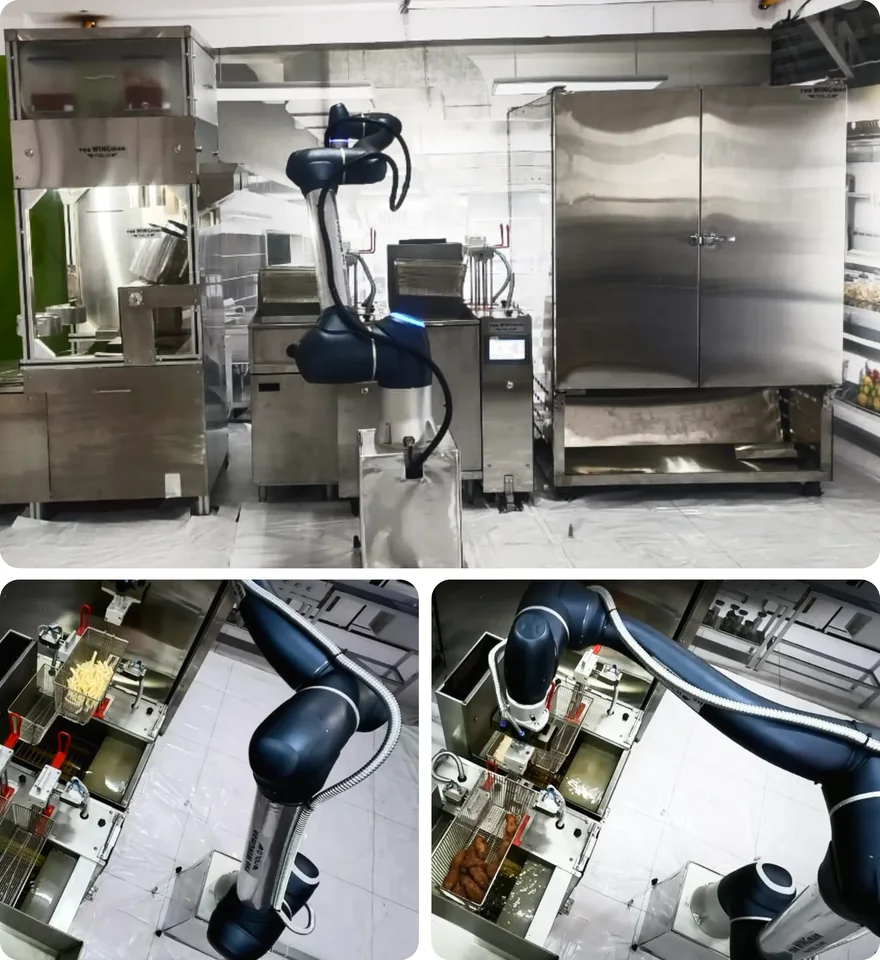
Check the approved food items, preparation steps and handoff to staff.
Explore Nala Robotics The Wingman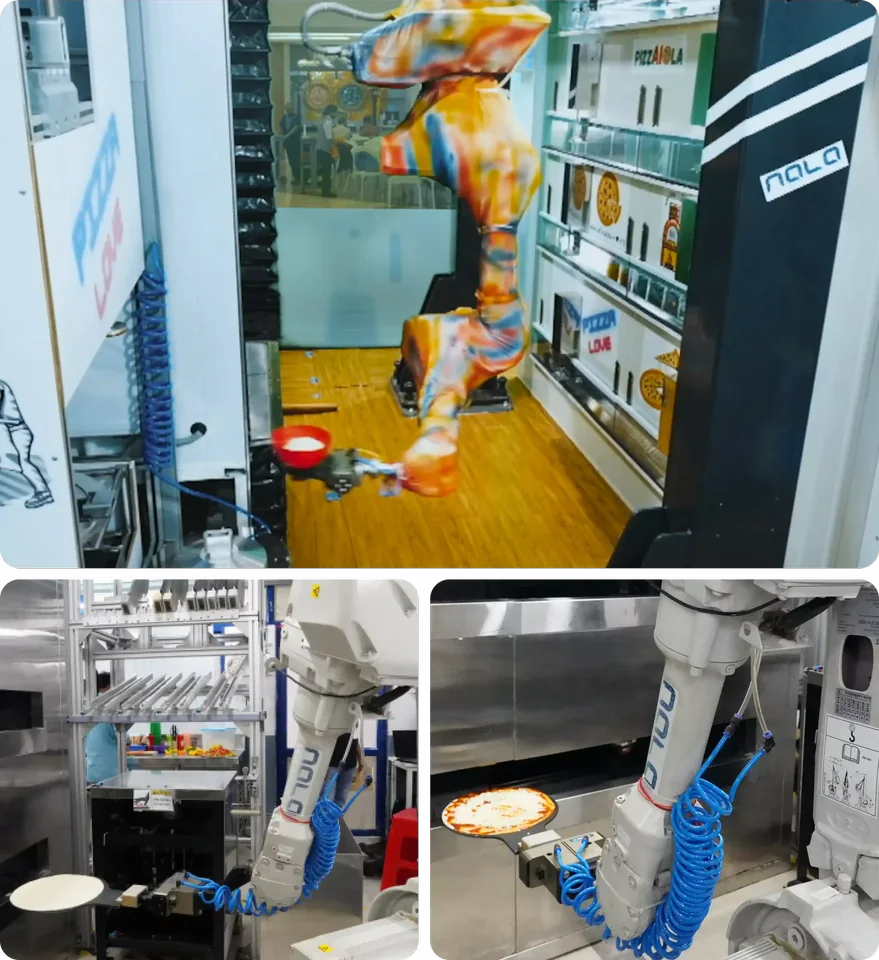
Build the equipment scope around recipes, ingredients and the kitchen process.
Explore Nala Robotics PizzaiolaSelection logic
Validate ingredients, portion sizes, recipe steps and acceptable variation.
Compare real order patterns with the complete preparation and handoff cycle.
Check space, electrical supply, water, drainage and extraction where required.
Assign replenishment, cleaning, temperature checks and exception handling.
Your site. One project.
Share the menu, peak orders, available space and existing kitchen services.
Product selection
3 models in this selection. Open a product for its exact specifications, configuration and commercial options.
Four ways to deploy
All four options can be requested. Configuration, availability, minimum term and service scope are confirmed in your quote.
Own the equipment. The quote defines configuration, deployment and the service package.
Use a robot for an agreed period. Confirm dates, availability, minimum term and setup costs before booking.
Plan for ongoing operation. Equipment, contract term, maintenance and responsibilities belong in the proposal.
Combine the robot with deployment and an agreed operating and service scope. Define monitoring, maintenance and performance measures for your site.
Before you choose
No general menu compatibility is assumed. Test approved ingredients, recipes, portion sizes and the required handling steps.
Staff are still needed for tasks such as replenishment, cleaning, checks and exceptions. The exact division of work depends on the system.
No. Site, food-service, safety and installation requirements must be checked for the actual project. Do not treat a product page as regulatory clearance.
From selection to deployment