01
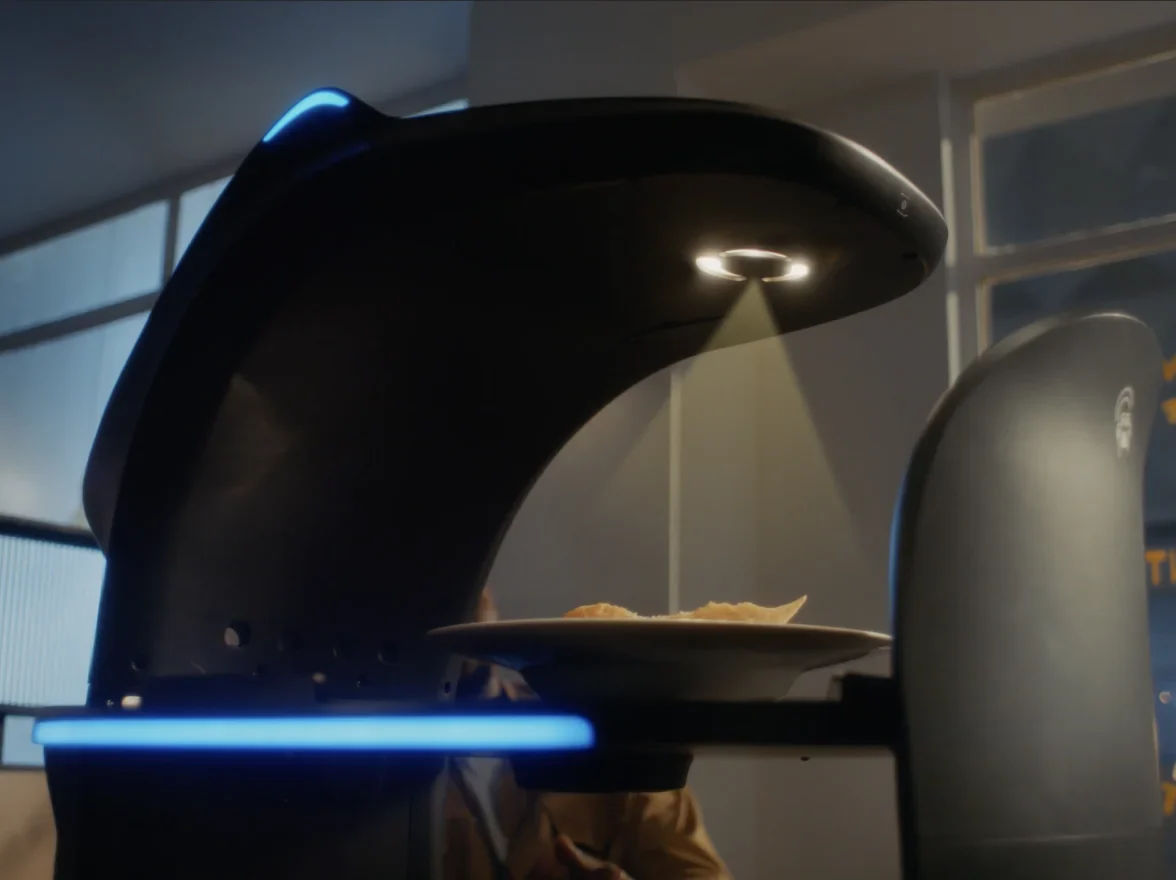
Bring dishes to the floor
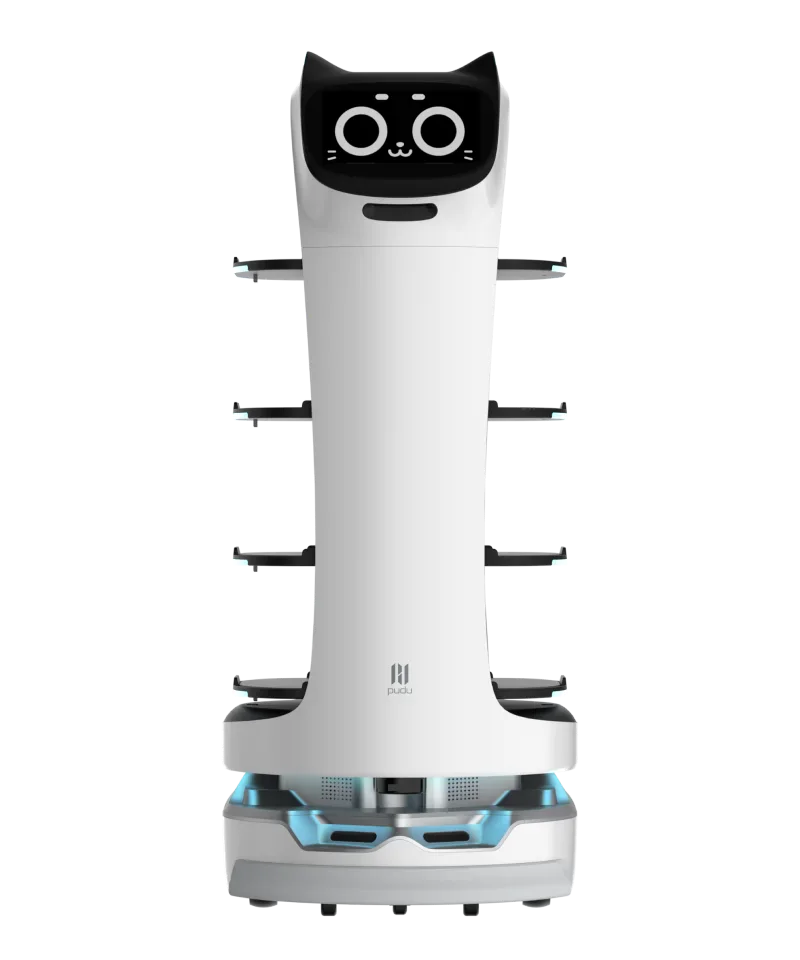
Set repeatable destinations and a handoff that works for servers and guests.
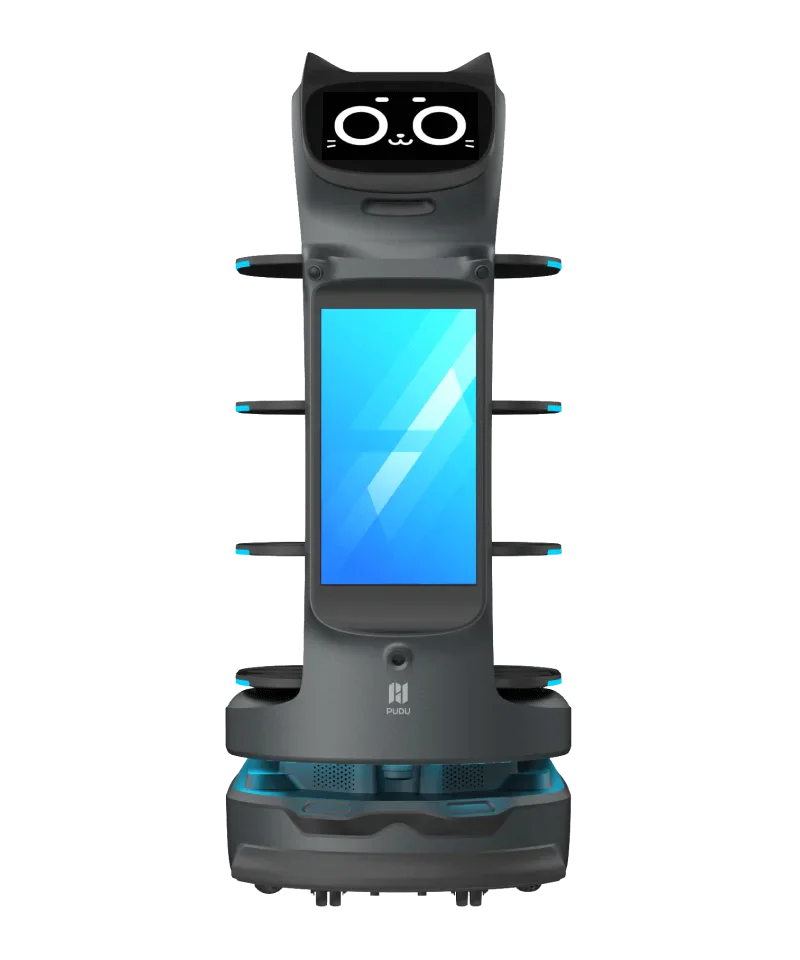
Explore PUDU BellaBot
Restaurant robots · Saudi Arabia & MENA
Choose restaurant robots around the trips your team repeats during service. Food running and dish collection have different loads, destinations and hygiene routines.
The application
Start with the workflow. These are different applications, not a ranking of interchangeable robots.
Set repeatable destinations and a handoff that works for servers and guests.
Explore PUDU BellaBot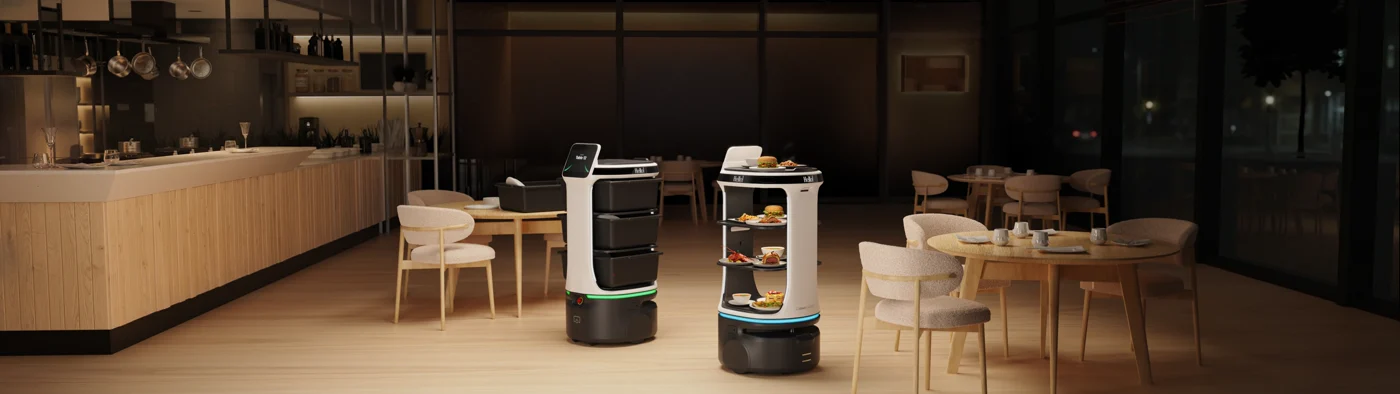
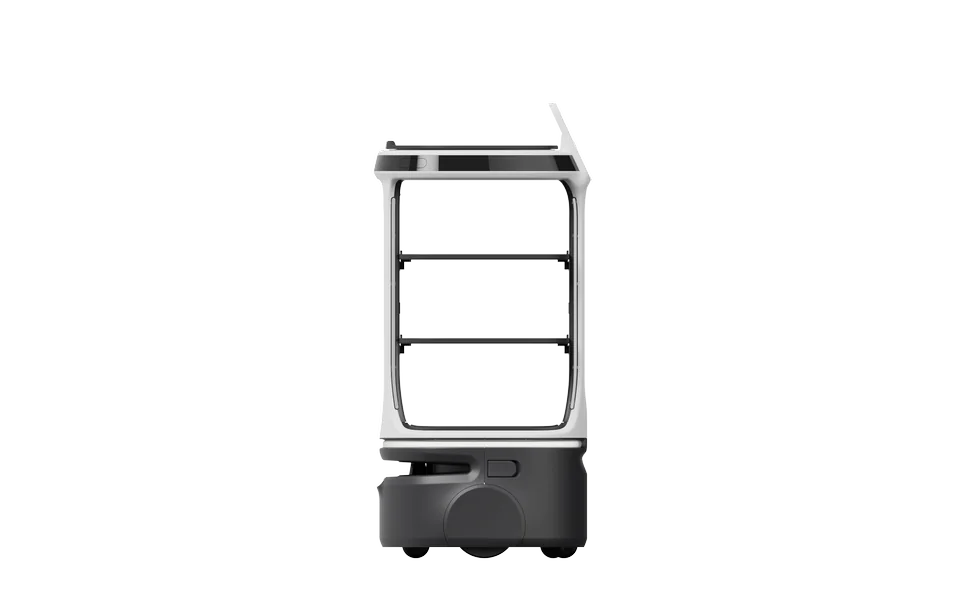
Separate clean and return workflows. Check tray layout and safe loading.
Explore Bear Robotics Servi Plus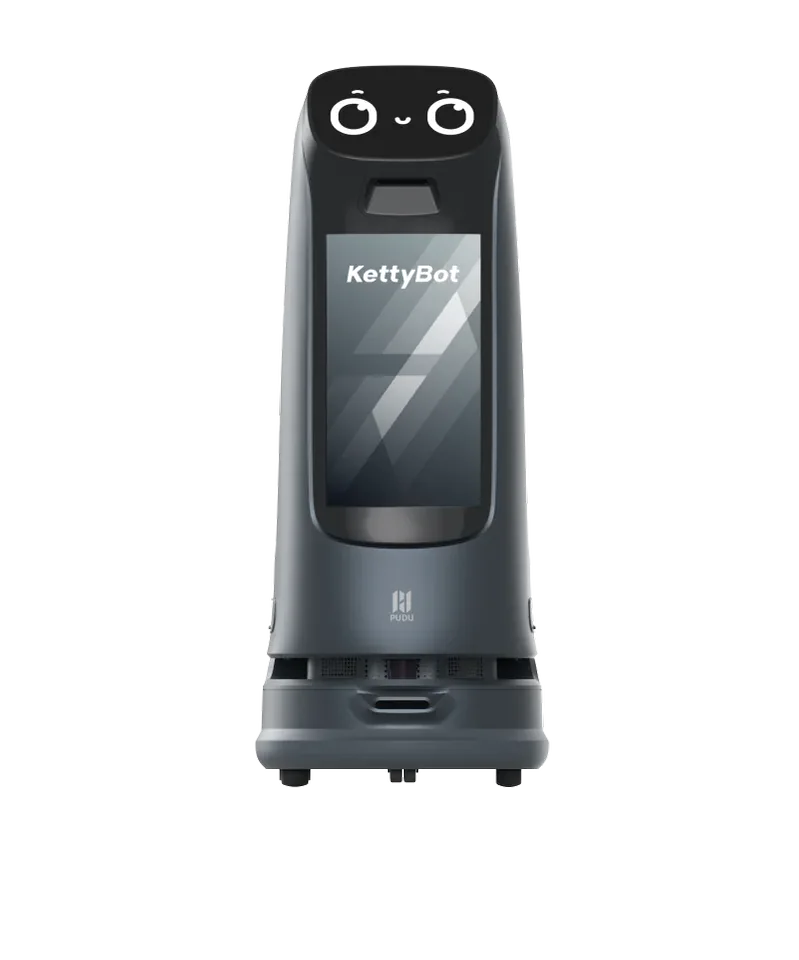
For routes from reception to a destination, with staff available for exceptions.
Explore PUDU KettyBot ProSelection logic
Measure routes with chairs pulled out, service carts moving and guests seated.
Check plate, tray and glass dimensions as well as total load per shelf.
Agree where staff load, collect and clear the robot without slowing service.
Test the lunch or dinner rush, including queues and journeys back to the pass.
Your site. One project.
Share a dining-room plan, typical loads and the busiest service window.
Product selection
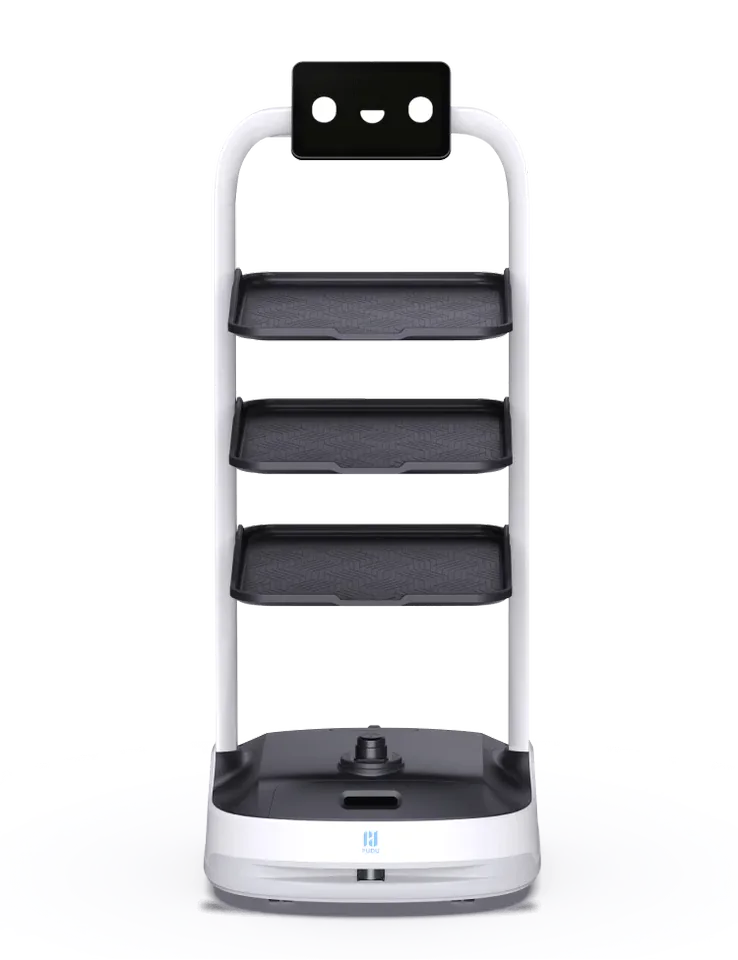
8 models in this selection. Open a product for its exact specifications, configuration and commercial options.
Pudu Robotics
Pudu Robotics
Pudu Robotics
Bear Robotics
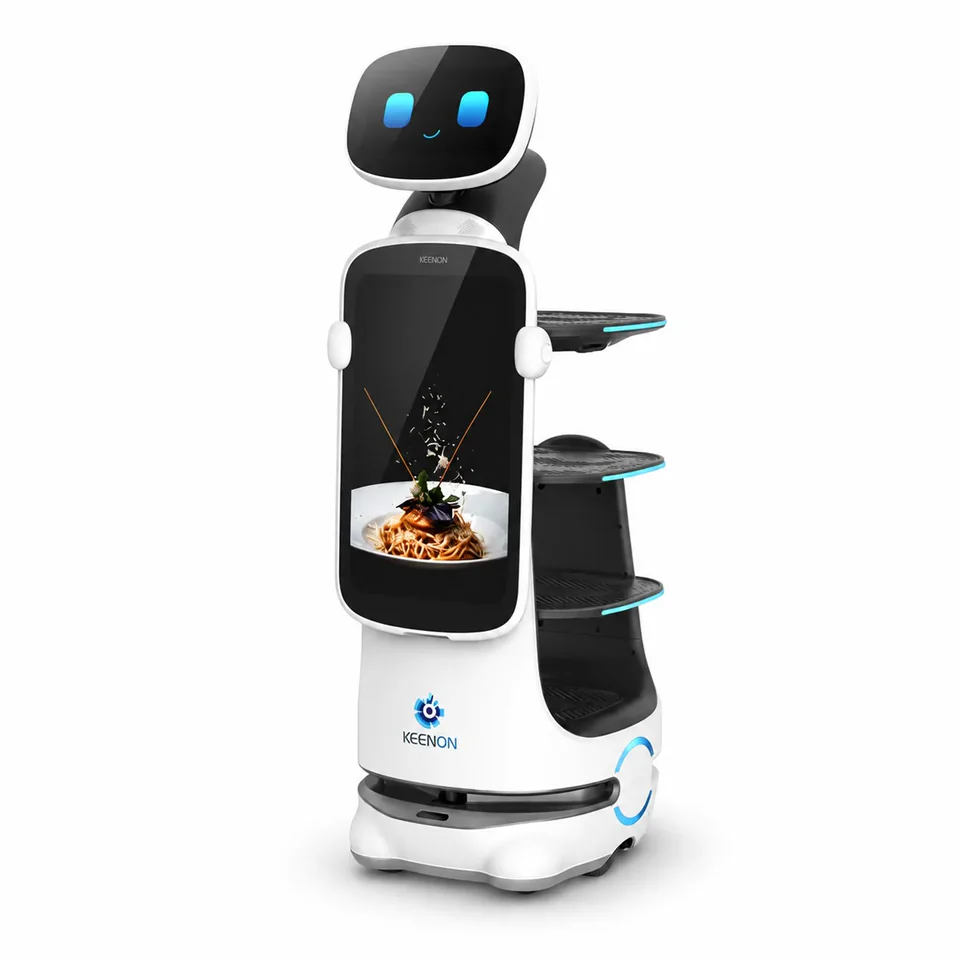
KEENON Robotics
Pudu Robotics
Four ways to deploy
All four options can be requested. Configuration, availability, minimum term and service scope are confirmed in your quote.
Own the equipment. The quote defines configuration, deployment and the service package.
Use a robot for an agreed period. Confirm dates, availability, minimum term and setup costs before booking.
Plan for ongoing operation. Equipment, contract term, maintenance and responsibilities belong in the proposal.
Combine the robot with deployment and an agreed operating and service scope. Define monitoring, maintenance and performance measures for your site.
Before you choose
It transports items along defined routes. Taking orders, checking guest needs, placing dishes and handling exceptions usually remain team responsibilities.
In a typical tray-robot workflow, a server or guest removes them. Decide the handoff explicitly rather than assuming autonomous table service.
Serving robots and food-production systems are different categories. Use the food automation page for cooking or beverage preparation.
From selection to deployment