Inspection & security · Saudi Arabia

Turn inspection routes into useful evidence.

Define what needs to be observed, who reviews it and what happens next. Then select the platform, sensor package and route for the real operating environment.

Explore the project
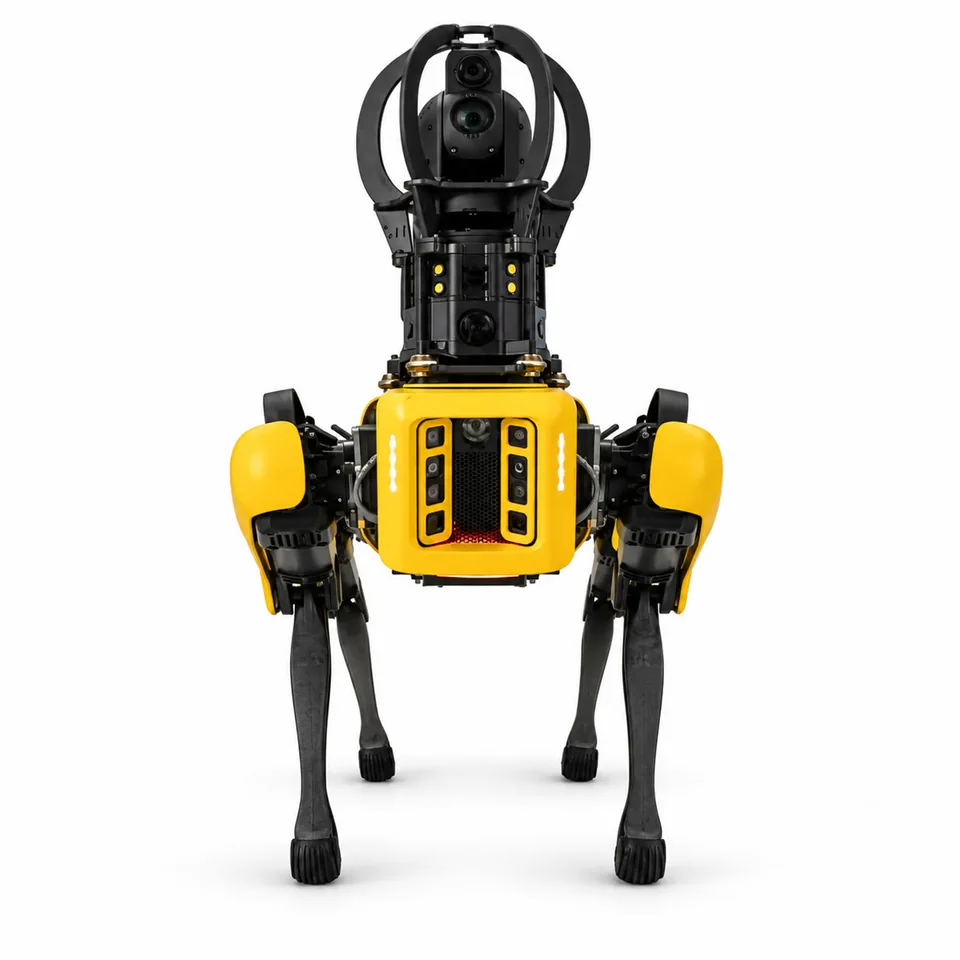
Boston Dynamics Spot
Equipment example · configuration confirmed per projectBoston Dynamics Spot

Start with the operation

A route is only the beginning.

Inspection and supervised security patrol share an operating question: will the observation reach someone who can take the right action?

  1. 01

    Capture

    Map the route and observation points. Select the sensor and position needed for a useful, repeatable reading.

  2. 02

    Review

    Agree where images and readings go, who can access them and how findings are checked.

  3. 03

    Respond

    Assign escalation and recovery. A robot does not replace maintenance decisions or the security team’s response.

Where equipment fits

Select a platform. Specify the payload separately.

These examples help define the scope. Final equipment, quantities and configuration follow the site assessment.

Boston Dynamics Spot

Configured inspection

Assess Spot for repeatable inspection routes with a task-specific sensor and software package.

What to verifyThermal, acoustic and other measurements require the appropriate payload and configuration.

Explore Boston Dynamics Spot
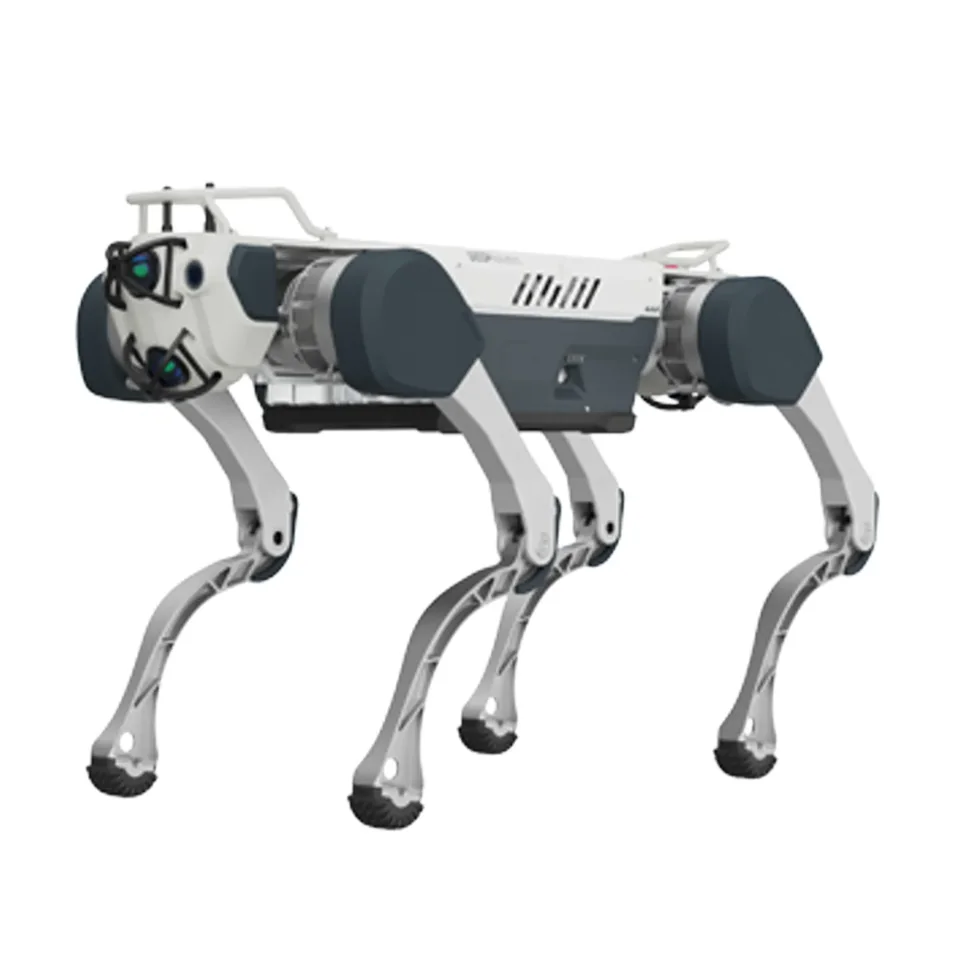
DEEP Robotics X30

Industrial route assessment

Evaluate a quadruped platform against the site’s access and mobility requirements.

What to verifyVerify terrain, environmental limits, sensor mounting and recovery procedure.

Explore DEEP Robotics X30
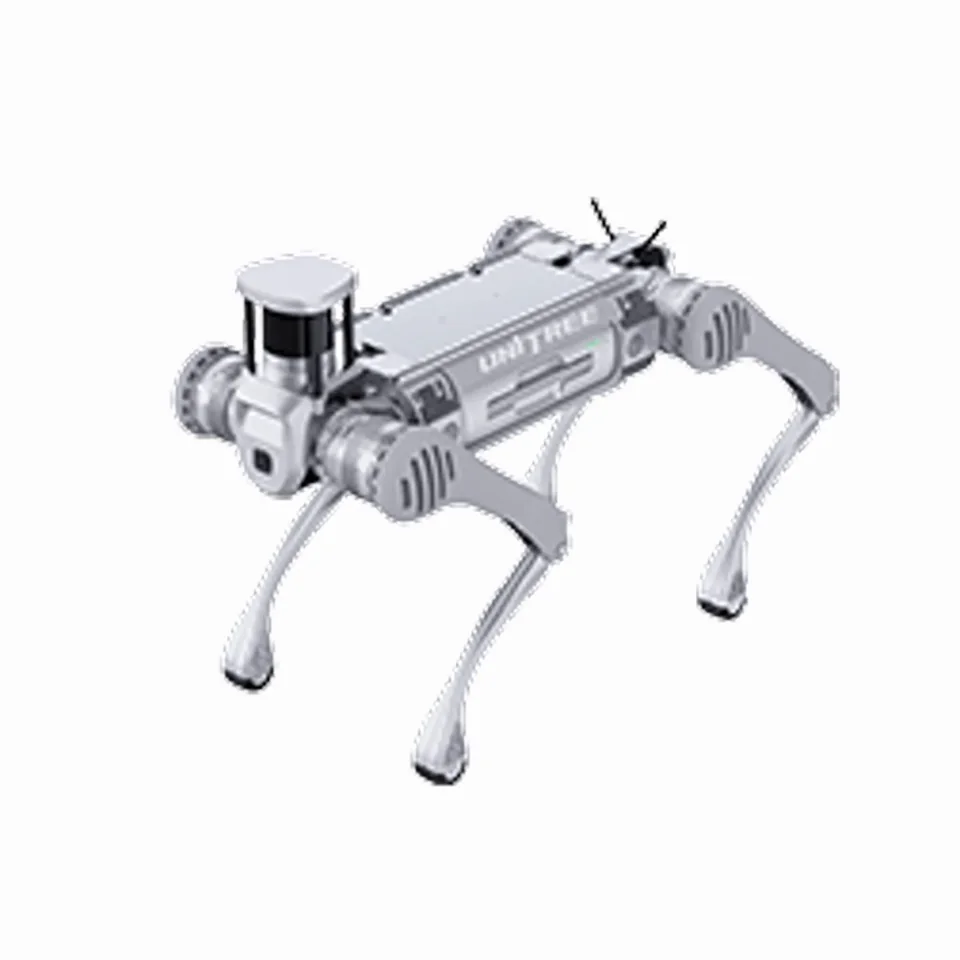
Unitree B2

Payload-led evaluation

Start with the intended inspection payload and check the platform’s suitability for carrying and operating it.

What to verifyConfirm hardware, software and control requirements as one configuration.

Explore Unitree B2

Your site. One project.

Scope the inspection before selecting the robot.

Share the site type, route, observation task and current inspection method. We’ll assess the platform, payload and trial needed to produce useful evidence.

Site requirements

The site determines what is acceptable.

Use these checks to define the proposal, the responsibilities and the acceptance test.

Environment

Terrain, access, weather and restricted areas.

Confirm exact operating limits; do not infer hazardous-zone approval from an industrial appearance.

Measurements

Observation points, sensor position and useful data quality.

Trial the readings against the inspection task, not just successful route completion.

Connectivity and data

Network coverage, storage, permissions and review workflow.

Agree how interrupted communication is handled and who can access recorded material.

Human response

Supervision, exceptions and equipment recovery.

Keep maintenance and security decision-making with an authorised team.
Pilot and decision

Agree what success looks like.

Measure a representative operation before and during the trial. Use the results to decide what to change, where to expand and whether the project makes economic sense.

Useful readings

Count observations that meet the inspection requirement, not only distance travelled.

Repeatability

Compare readings from the same position across representative runs.

Interventions

Track missed observations, manual recoveries and response time.

The proposal should define equipment, site preparation, integration work, training, acceptance criteria and service responsibilities. Savings and payback require your operating baseline.

Explore the equipment

Open the relevant product pages.

Compare the actual configuration and requirements. These are equipment options, not a claim that a complete site system is included.

Four ways to deploy

Choose the model. Then the terms.

All four options can be requested. Configuration, availability, minimum term and service scope are confirmed in your quote.

01

PurchaseEquipment ownership

Own the equipment. The quote defines configuration, deployment and the service package.

02

Short-term rentPriced per day

Use a robot for an agreed period. Confirm dates, availability, minimum term and setup costs before booking.

03

Long-term rentPriced per month

Plan for ongoing operation. Equipment, contract term, maintenance and responsibilities belong in the proposal.

04

RaaSManaged monthly model

Combine the robot with deployment and an agreed operating and service scope. Define monitoring, maintenance and performance measures for your site.

Before you choose

Questions worth asking.

Are the inspection sensors included with the robot?

Not necessarily. The base platform, payload, software and installation are separate configuration decisions and must be itemised in the proposal.

Can it operate in a hazardous zone?

Only where the exact equipment and configuration have the required documented approval. No hazardous-zone suitability is assumed for the platforms shown here.

Does a security robot replace guards?

This project approach keeps review, escalation and response with people. It does not promise autonomous enforcement or replace the wider security operation.

Does this cover internal pipe or tank inspection?

Those tasks may require specialised equipment and access procedures. A general quadruped inspection platform is not evidence of suitability for confined or internal inspection.

Your site. One project.

Scope the inspection before selecting the robot.

Share the site type, route, observation task and current inspection method. We’ll assess the platform, payload and trial needed to produce useful evidence.