Hotels & hospitality

Robotics for hotel operations.

Plan delivery, floor cleaning and back-of-house transport as one project for your hotel in Saudi Arabia. Start with the journeys your team repeats every day, then choose equipment that fits your property and service standards.

Explore the workflows ↓
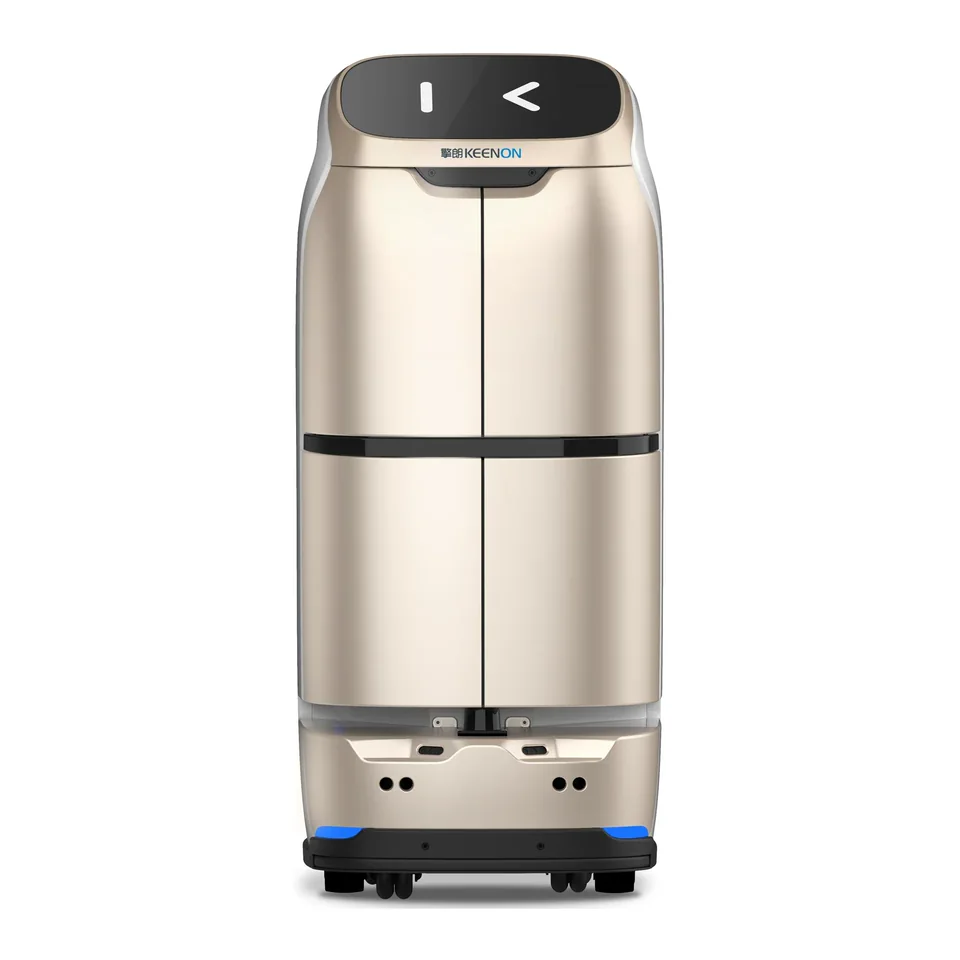
KEENON BUTLERBOT W3 hotel delivery robot
Room deliveryExplore BUTLERBOT W3 ↗

Scope the opportunity

Which journeys should a robot take over?

Match each task to its own equipment and staff handoff. The project connects these workflows; it does not assume one robot can do everything.

KEENON Robotics BUTLERBOT W3

Room deliveries

Deliver amenities and other approved items along mapped routes. Staff load the robot and handle requests that need personal service.

Before deploymentCheck lift access, guest handoff and what happens when a room cannot receive a delivery.

Explore KEENON Robotics BUTLERBOT W3 ↗
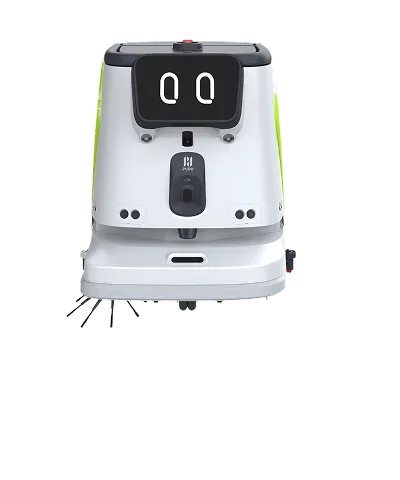
PUDU CC1 Pro

Common-area cleaning

Build a floor-care schedule around lobby, corridor and other mapped common areas. Separate the robot’s floor task from the wider housekeeping job.

Before deploymentCheck floor finishes, obstacles, quiet hours, water access and daily care.

Explore PUDU CC1 Pro ↗
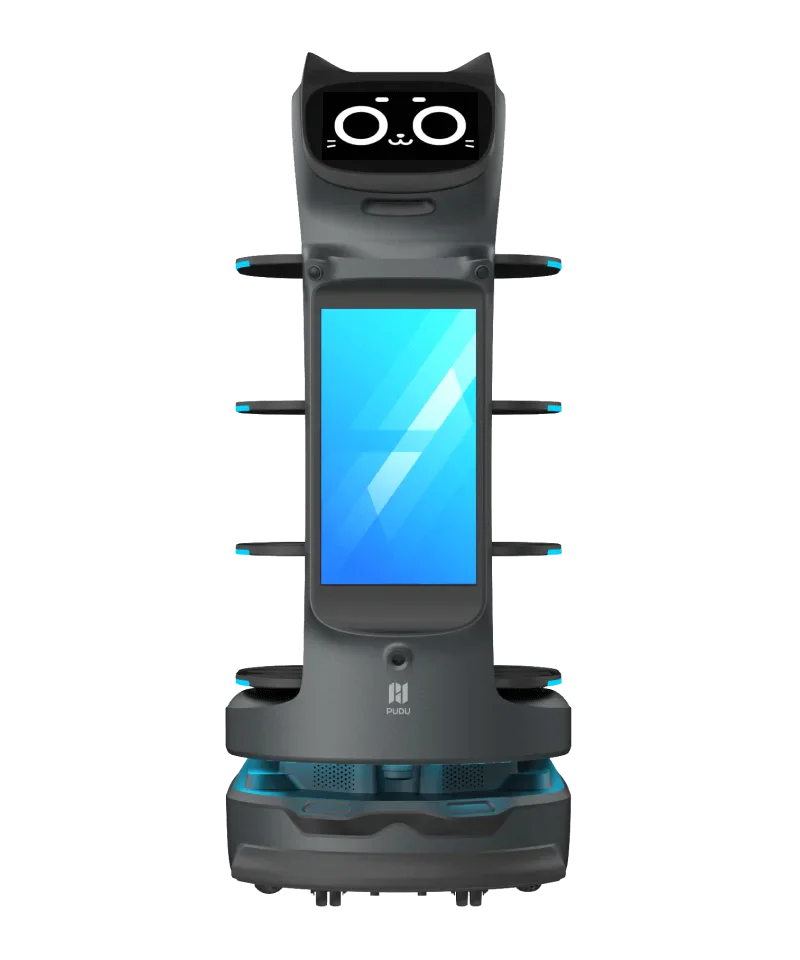
PUDU BellaBot Pro

Restaurant service

Move meals and cleared items along defined service routes. Staff retain table service and the handling steps at either end.

Before deploymentCheck aisle width, tray loading, table handoff and mixed guest traffic.

Explore PUDU BellaBot Pro ↗
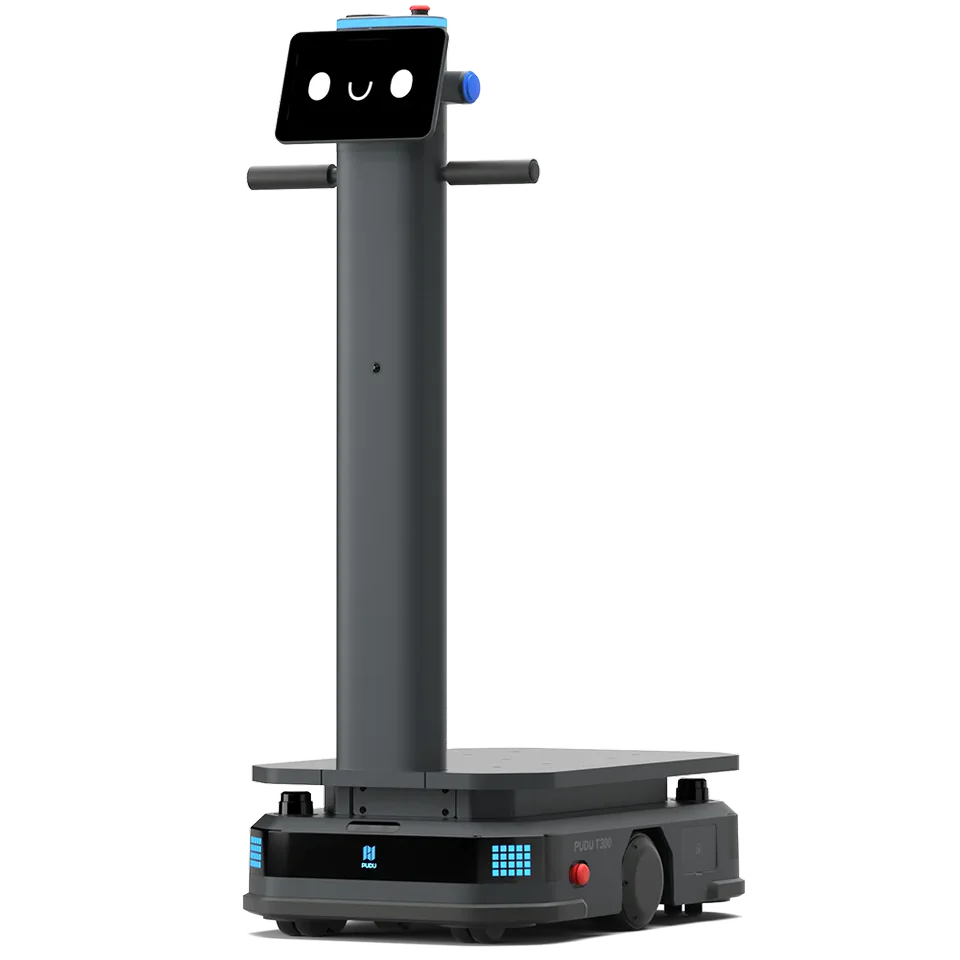
PUDU T300 Standard / Lifting

Back-of-house transport

Assess repeated movements of supplies between service areas. Choose the load carrier and pickup arrangement for the actual route.

Before deploymentCheck load stability, access, turns and the interface at each pickup point.

Explore PUDU T300 Standard / Lifting ↗

Your site. One project.

A coordinated robotics plan for your property.

Share your property type, location and the tasks you want to improve. We’ll use those details to scope equipment, site preparation, staff responsibilities and a pilot.

Hotel service & housekeeping efficiency

Reduce the journeys that interrupt the shift.

Start with one operation, such as delivering requested amenities. Compare ways to complete that job while protecting the guest experience and the team’s other duties.

ApproachWhen it may helpWhat to measure
Reorganise staff routesRequests can be grouped, supplies placed closer to use or replenishment scheduled more effectively.Fewer journeys and less searching, without increasing guest waiting time.
Keep staff-led deliveryThe handoff needs personal service, access is unpredictable or the request needs judgement.Request-to-handoff time, travel and waiting, including the work interrupted by the delivery.
Use a delivery robotSuitable loads follow repeat routes and the team can manage loading, guest handoff and exceptions.Successful handoffs, staff handling time, lift delays, interventions and guest feedback under normal and peak conditions.

Count the staff time that actually changes.

Log preparation, travel, waiting, handoff and return for the current operation. During a trial, include robot loading, dispatch, unloading and recovery. Delivery and common-area floor cleaning do not replace a full guest-room housekeeping service.

Plan an assessment and pilot

Property requirements

Fit the hotel before fitting the robot.

A route that works in an empty corridor may fail during breakfast service or a busy check-in. Test the conditions your team actually works in.

Routes and access

Door widths, thresholds, lifts, fire doors and charging locations.

Confirm access permissions and a staffed fallback before enabling multi-floor travel.

Guest experience

Busy lobbies, quiet hours, delivery notifications and collection.

Keep a clear route to a member of staff when a guest needs help or an alternative.

Systems and data

Task dispatch, service requests and completion reporting.

Define the necessary data and permissions. A PMS connection is a separate, verified scope.

Team ownership

Loading, daily care, replenishment and exception handling.

Name an operating owner on each shift and make recovery part of staff training.

Pilot and rollout

Prove the workflow in one area first.

Agree a baseline and success criteria with the team that will use the equipment. Expand after the trial demonstrates an operational benefit.

  1. 01

    Observe a working shift

    Count requests, journeys, staff travel and waiting. Map peak periods and service exceptions.

  2. 02

    Test one defined workflow

    Use representative loads and routes. Measure completion, interventions and staff handling time.

  3. 03

    Make the rollout decision

    Review results, guest feedback and the full operating cost. Agree where to expand and what to change.

Delivery

Request-to-handoff time, successful deliveries and staff minutes per request.

Cleaning

Accepted floor coverage, interventions, reset time and completion within the cleaning window.

Service

Staff workload, guest feedback, recovery time and recurring support needs.

Equipment shortlist

Different tasks. A coordinated selection.

These models illustrate different hotel workflows. The final proposal confirms configuration, quantities and site fit.

Four ways to deploy

Choose the model. Then the terms.

All four options can be requested. Configuration, availability, minimum term and service scope are confirmed in your quote.

01

PurchaseEquipment ownership

Own the equipment. The quote defines configuration, deployment and the service package.

02

Short-term rentPriced per day

Use a robot for an agreed period. Confirm dates, availability, minimum term and setup costs before booking.

03

Long-term rentPriced per month

Plan for ongoing operation. Equipment, contract term, maintenance and responsibilities belong in the proposal.

04

RaaSManaged monthly model

Combine the robot with deployment and an agreed operating and service scope. Define monitoring, maintenance and performance measures for your site.

Before you choose

Questions worth asking.

Which hotel operation should we automate first?

Start with a repeated task that has a clear route, a measurable workload and an operating owner. Room delivery, common-area cleaning and internal transport need different checks. Compare staff travel and waiting time before choosing the first pilot.

Can delivery robots use our lifts and doors?

Multi-floor delivery needs compatible lift access, door interfaces and a safe recovery procedure. Review the exact lift controller, access rules and selected robot before including autonomous floor-to-floor delivery in the scope.

Will the robots connect to our PMS or service platform?

A hotel management system connection is not assumed. Define which event creates a task, what data is necessary and how completion is reported. A staff-dispatched pilot may be appropriate before a wider software integration.

Does floor-cleaning robotics cover guest rooms?

This proposal focuses on mapped common areas and agreed service routes. Guest-room cleaning includes beds, bathrooms, surfaces and changing layouts; a floor robot is not a substitute for the full housekeeping workflow.

Can we begin with a rental or RaaS pilot?

Yes, request purchase, daily short-term rental, monthly long-term rental or RaaS. Availability, minimum term, site setup and included service are confirmed for the selected equipment and property.
Your site. One project.

Let’s scope your hotel project.

Tell us which operation you want to improve first. We can compare a single-workflow pilot with a phased, property-wide plan.