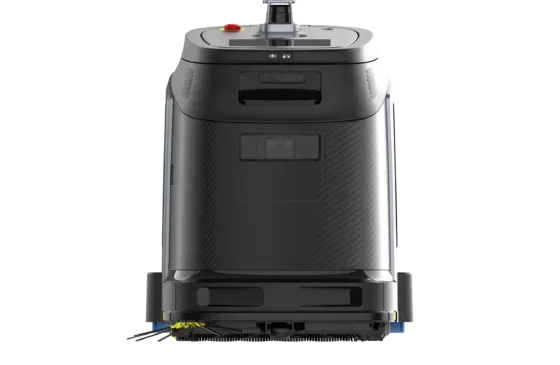
Compact mixed spaces
Assess a compact floor-care robot where furniture and changing routes limit access.
What to verifyCheck the narrowest working passages and the actual floor materials.
Explore Gausium Phantas
Facilities & cleaning · Saudi Arabia
Design the cleaning shift, not just the robot route. Match floor-care equipment to each site and keep responsibility clear for the work around it.
Start with the operation
For facilities teams and cleaning contractors, success is accepted work delivered within the service window—not a machine’s rated maximum output.
Clear the agreed route, check consumables and confirm the cleaning task for the shift.
Run mapped areas while staff handle detail work, inaccessible spaces and exceptions.
Inspect the result, record missed areas and service the equipment for the next shift.
Where equipment fits
These examples help define the scope. Final equipment, quantities and configuration follow the site assessment.
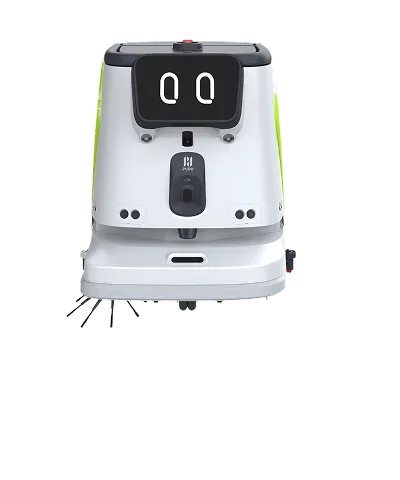
Assess a compact floor-care robot where furniture and changing routes limit access.
What to verifyCheck the narrowest working passages and the actual floor materials.
Explore Gausium PhantasMatch a configurable cleaning setup to recurring hard-floor and other supported tasks.
What to verifyConfirm the required cleaning assembly and the servicing location.
Explore PUDU CC1 Pro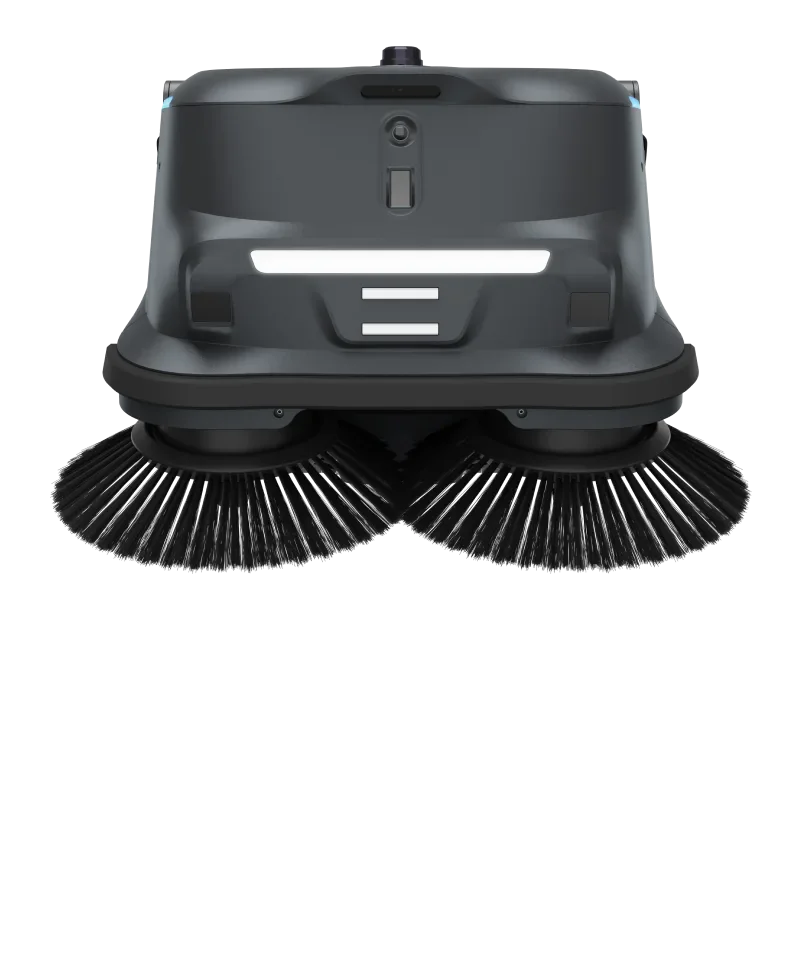
Use a sweeper for dry debris on suitable routes, rather than treating every cleaning job as wet scrubbing.
What to verifyTest the debris mix, collection frequency and edge work.
Explore PUDU MT1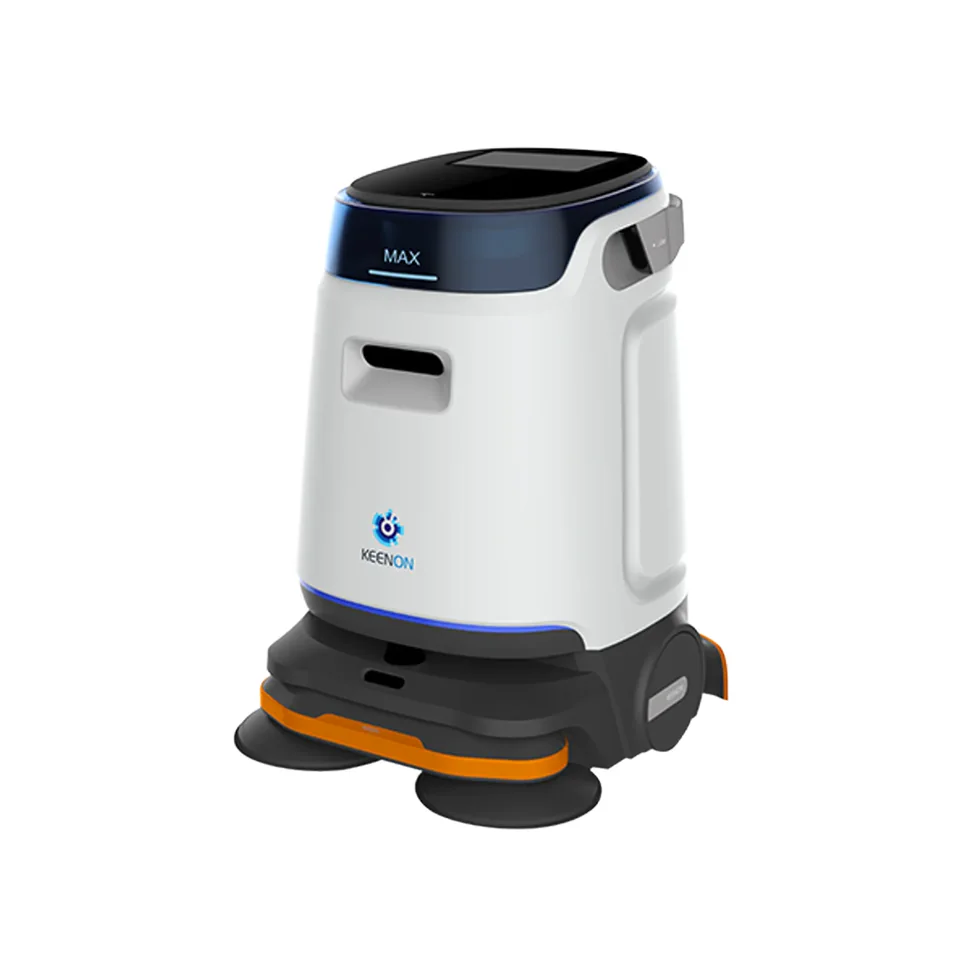
Assess a scrubber for longer, repeatable floor-care routes.
What to verifyCheck water handling, turning space and the usable cleaning window.
Explore KEENON KLEENBOT C55Your site. One project.
Share the site types, floor areas, operating hours and your existing service standard. We’ll identify a representative site for the first trial.
Site requirements
Use these checks to define the proposal, the responsibilities and the acceptance test.
Access, preparation and daily checks.
Name the person who can reopen a blocked route and replenish supplies.
Quality acceptance and exception handling.
Define the inspection sample and how missed areas are completed.
Maintenance, faults and recovery.
Agree service responsibilities and downtime arrangements in the quote.
Reporting across sites.
Specify the reports required; do not assume different brands share one fleet dashboard.
Cost of completed cleaning
Use the same area, floor condition and acceptance standard for the current process and the proposed one. Record the work across representative shifts, including busy periods.
| Input | Current process | Proposed process |
|---|---|---|
| Accepted area | Area that passes the agreed inspection during the cleaning window. | Area that passes the same inspection. Do not count repeat passes as extra completed area. |
| Staff hours | Preparation, operation, detail work, equipment care and rework. | Preparation, loading or water handling, interventions, detail work, equipment care and rework. |
| Equipment & support | Rental or ownership cost allocated to the period, plus maintenance and support. | The selected commercial model, deployment and site preparation, plus any support not included. |
| Consumables & utilities | Pads, brushes, chemicals, water and electricity used over the comparison period. | The same categories, based on measured use rather than an assumed saving. |
Cost per accepted m² = total cleaning cost for the period ÷ accepted area for that period.
Apply the same labour rates and accounting period to both options. Spread one-off costs over a stated period; do not add a full purchase price to one monthly rental payment. Count released staff hours separately from cash savings unless the staffing cost actually changes.
Pilot and decision
Measure a representative operation before and during the trial. Use the results to decide what to change, where to expand and whether the project makes economic sense.
Count floor area that meets the agreed standard within the shift.
Include setup, recovery, refilling, emptying and detail work.
Track consumables, maintenance, downtime and support—not just rental.
The proposal should define equipment, site preparation, integration work, training, acceptance criteria and service responsibilities. Savings and payback require your operating baseline.
Explore the equipment
Compare the actual configuration and requirements. These are equipment options, not a claim that a complete site system is included.
Gausium
Pudu Robotics
Pudu Robotics
KEENON Robotics
Four ways to deploy
All four options can be requested. Configuration, availability, minimum term and service scope are confirmed in your quote.
Own the equipment. The quote defines configuration, deployment and the service package.
Use a robot for an agreed period. Confirm dates, availability, minimum term and setup costs before booking.
Plan for ongoing operation. Equipment, contract term, maintenance and responsibilities belong in the proposal.
Combine the robot with deployment and an agreed operating and service scope. Define monitoring, maintenance and performance measures for your site.
Before you choose
Potentially, but transport, site mapping, access, charging and supervision must be planned. Compare a shared fleet with dedicated equipment using the real schedule.
Staff prepare routes, handle inaccessible areas and detail work, check results and carry out daily equipment care. The split depends on the site and cleaning method.
Reporting varies by product and software package. Agree the coverage, exceptions and service records required before selecting a system.
These require different equipment and access assessments. They can be scoped as separate workstreams, not treated as capabilities of a floor-cleaning robot.
Your site. One project.
Share the site types, floor areas, operating hours and your existing service standard. We’ll identify a representative site for the first trial.