01
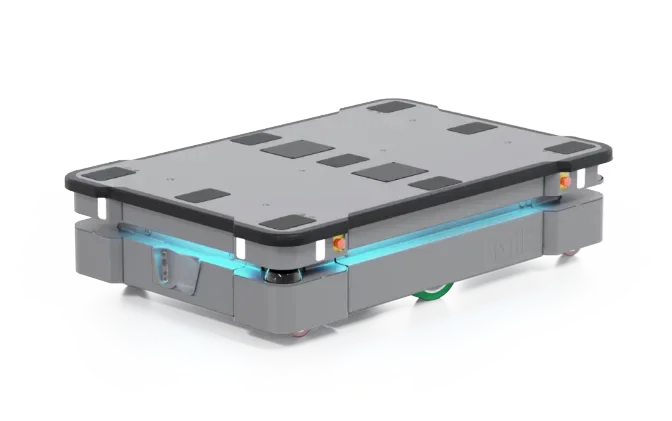
Carry on top
Choose the load deck or top module around the material and loading method.
Explore Mobile Industrial Robots MiR600
AMR & AGV · Saudi Arabia & MENA
AMR and AGV describe transport approaches, not a complete specification. Compare the load interface and operating route before choosing a navigation label.
The application
Start with the workflow. These are different applications, not a ranking of interchangeable robots.
Choose the load deck or top module around the material and loading method.
Explore Mobile Industrial Robots MiR600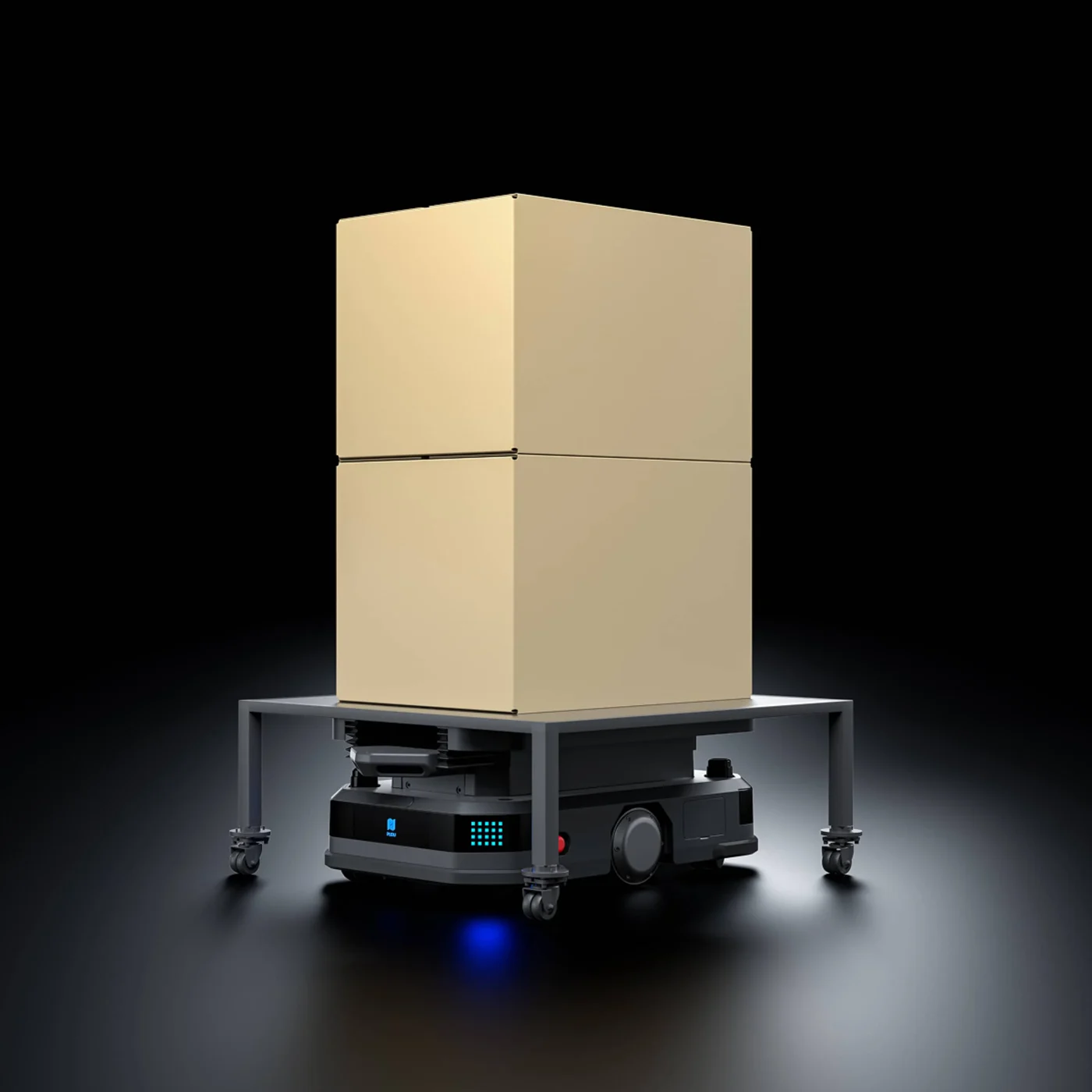
Check the rack interface, underside clearance and repeatable pickup position.
Explore PUDU T600 Underride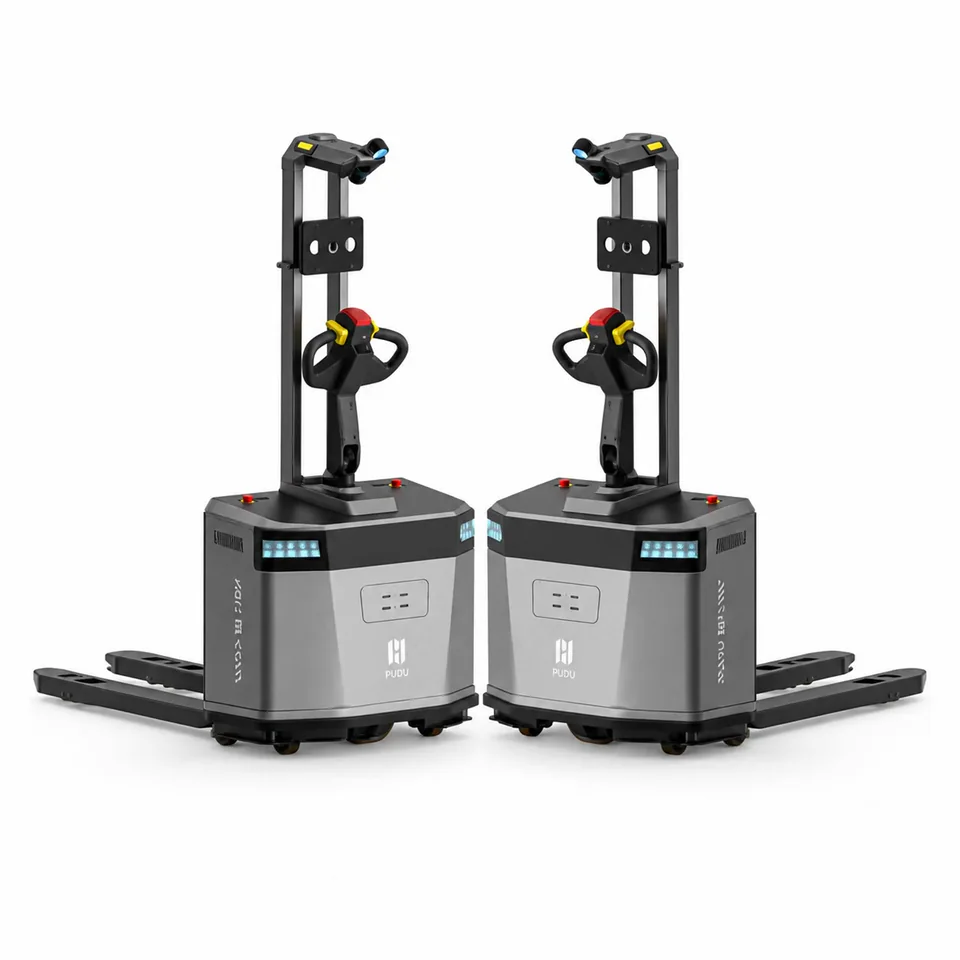
Fork geometry, pallet entry, floor condition and traffic define the working route.
Explore PUDU MP2000Selection logic
Count the product, carrier and any top module in the payload calculation.
Check turning space, slopes, thresholds and the narrowest point under real traffic.
Define manual loading, conveyors, racks or fork pickup before choosing the base.
Plan task dispatch, charging windows and what happens when the route is blocked.
Your site. One project.
Send the load, route, pickup method and required moves per shift.
Product selection
11 models in this selection. Open a product for its exact specifications, configuration and commercial options.
Mobile Industrial Robots
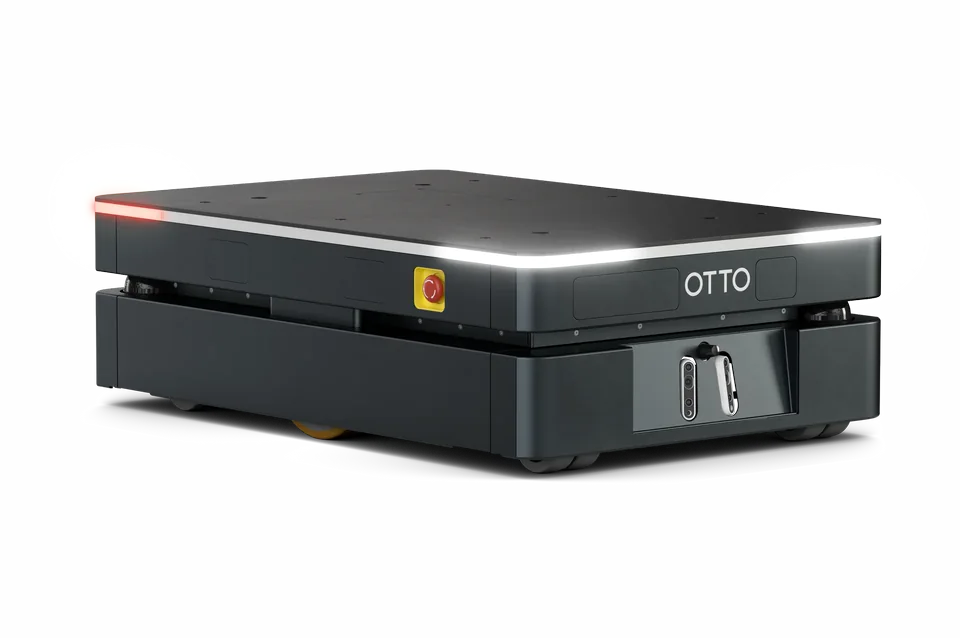
OTTO by Rockwell Automation
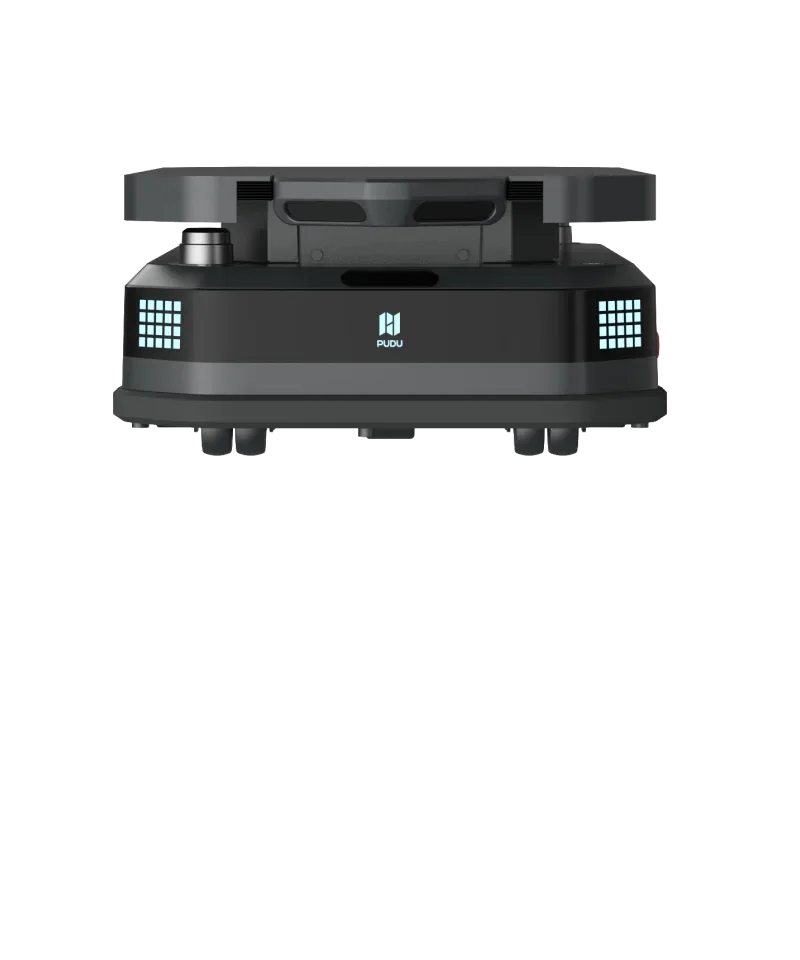
Pudu Robotics
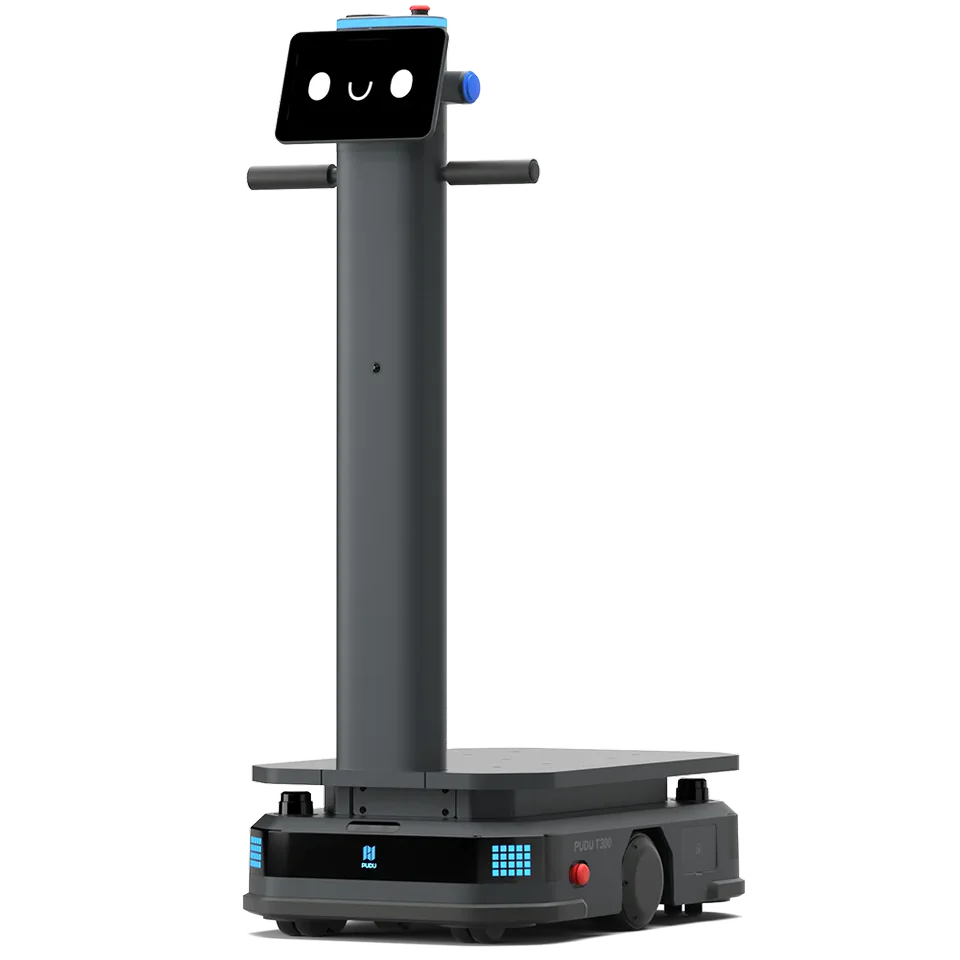
Pudu Robotics
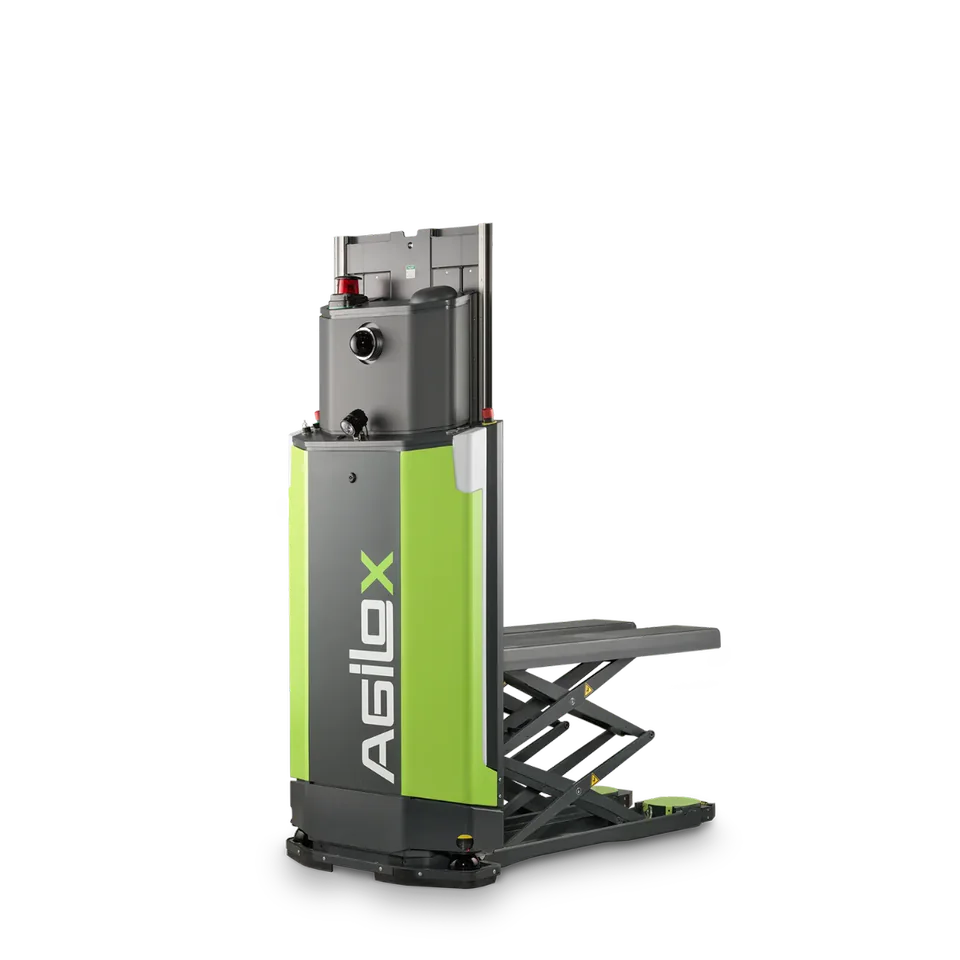
AGILOX
Pudu Robotics
Four ways to deploy
All four options can be requested. Configuration, availability, minimum term and service scope are confirmed in your quote.
Own the equipment. The quote defines configuration, deployment and the service package.
Use a robot for an agreed period. Confirm dates, availability, minimum term and setup costs before booking.
Plan for ongoing operation. Equipment, contract term, maintenance and responsibilities belong in the proposal.
Combine the robot with deployment and an agreed operating and service scope. Define monitoring, maintenance and performance measures for your site.
Before you choose
An AGV typically follows a defined guidance route. An AMR generally uses a map and sensors to plan movement within its operating area. Actual navigation and obstacle responses depend on the product and site configuration.
Possibly. Cart dimensions, coupling, stability and load presentation must match the robot interface. A lifting module or adapted cart may be needed.
Check the manufacturer’s definition for the selected configuration. The carrier, fixture and top module can consume part of the available capacity; the useful goods payload is not always the headline rating.
From selection to deployment