01
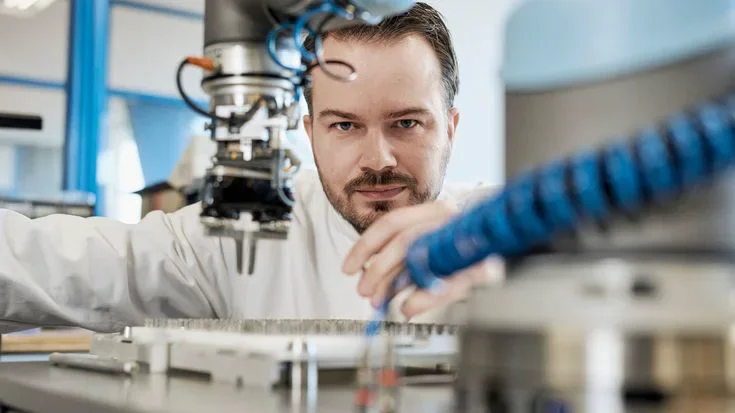
Automate a workstation
For repeatable loading and handling around a machine or fixture.
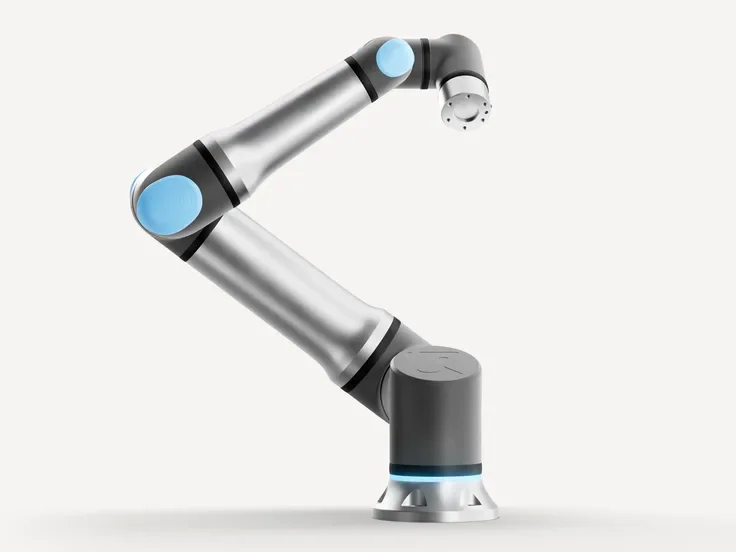
Explore Universal Robots UR20
Industrial robots · Saudi Arabia & MENA
Start industrial robotics planning with a repeatable production task. Define the part, cycle, quality requirement and shift pattern before selecting a platform.
The application
Start with the workflow. These are different applications, not a ranking of interchangeable robots.
For repeatable loading and handling around a machine or fixture.
Explore Universal Robots UR20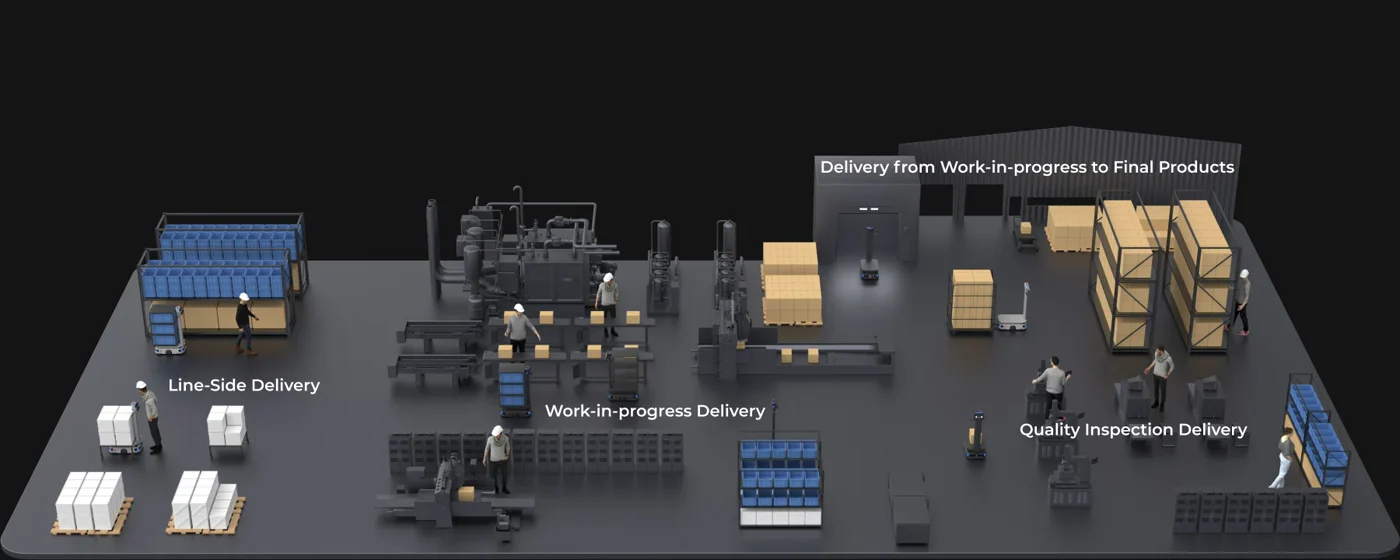
Move materials between stations without redesigning the task around a robot brochure.
Explore PUDU T300 Standard / Lifting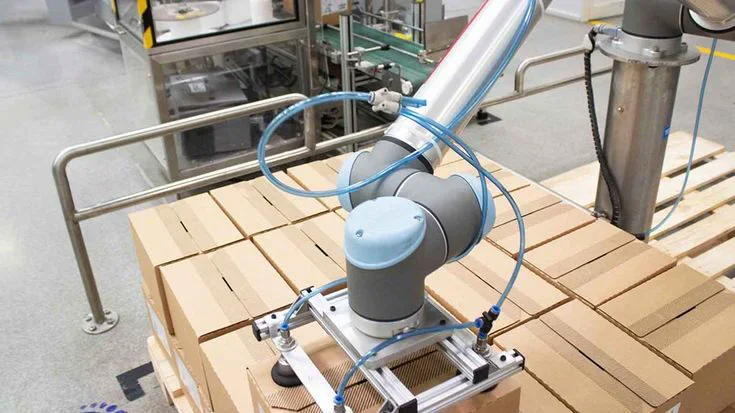
Bring tooling, fixtures, controls and safety into one project scope.
Explore W Cobot Palletizing CellSelection logic
Measure cycle, waiting time, defects and intervention in the current process.
Document the range of parts, presentation and changeover frequency.
List machines, conveyors and controls with which the cell must exchange signals.
Agree output, quality, safety and recovery criteria before installation.
Your site. One project.
Share the operation, parts, current cycle and the result you need to improve.
Product selection
8 models in this selection. Open a product for its exact specifications, configuration and commercial options.
Universal Robots
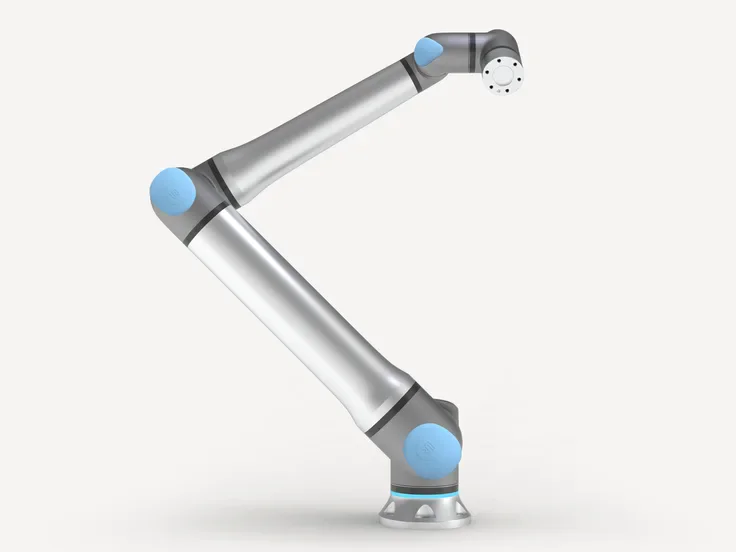
Universal Robots
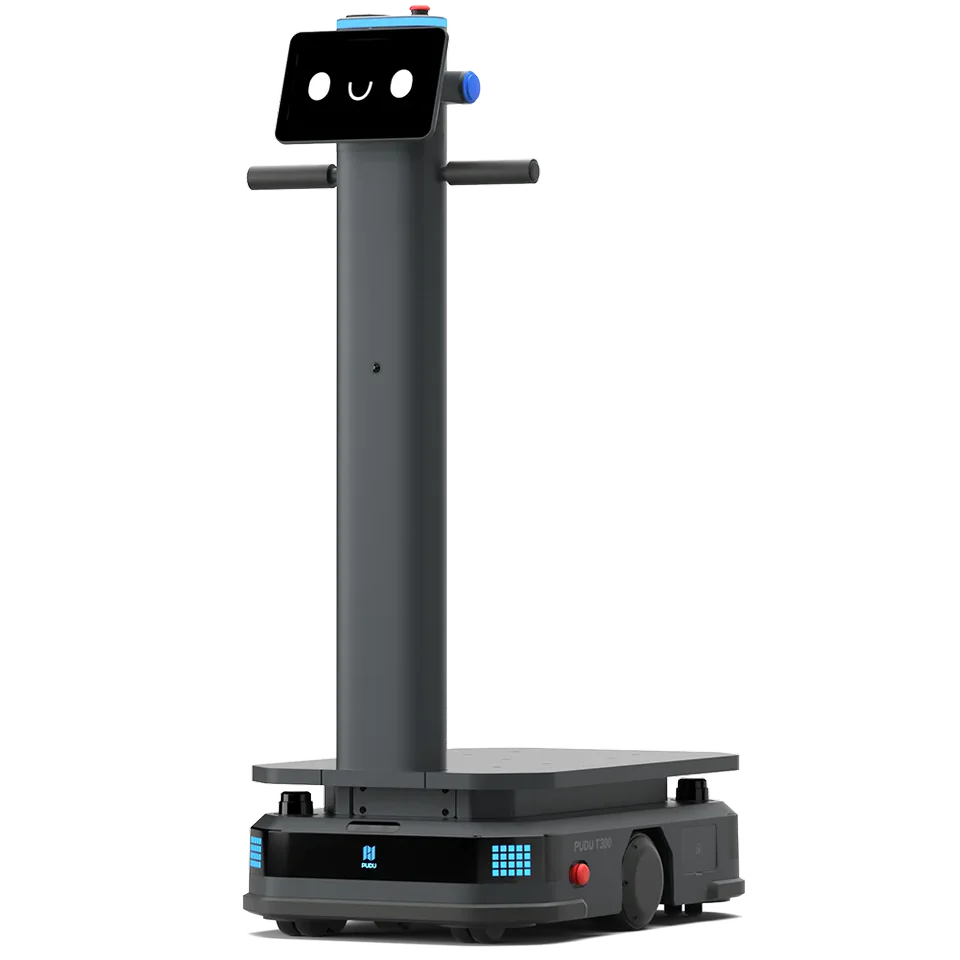
Pudu Robotics
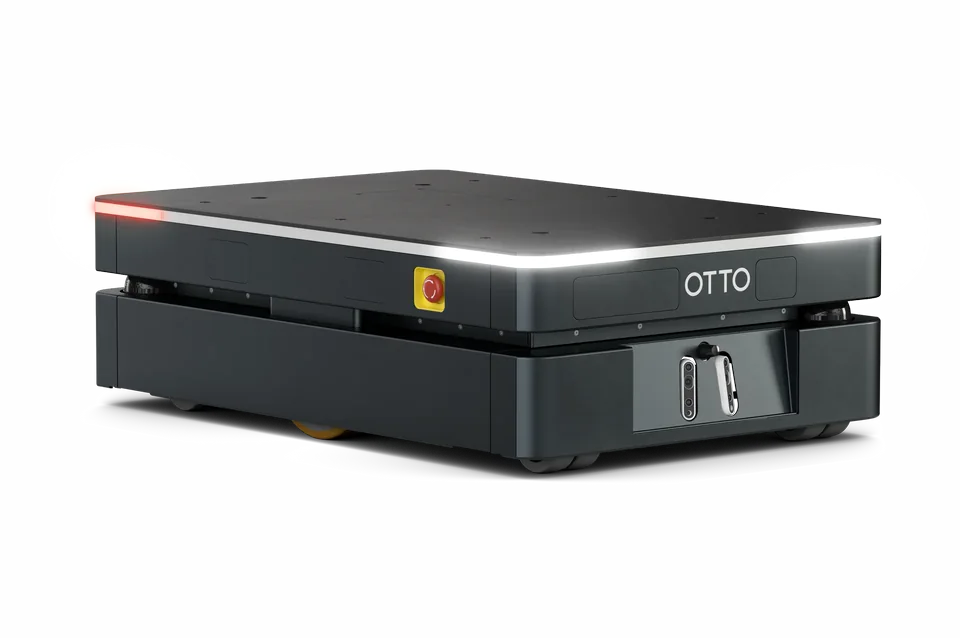
OTTO by Rockwell Automation
W—ROBOTICS
W—ROBOTICS
Four ways to deploy
All four options can be requested. Configuration, availability, minimum term and service scope are confirmed in your quote.
Own the equipment. The quote defines configuration, deployment and the service package.
Use a robot for an agreed period. Confirm dates, availability, minimum term and setup costs before booking.
Plan for ongoing operation. Equipment, contract term, maintenance and responsibilities belong in the proposal.
Combine the robot with deployment and an agreed operating and service scope. Define monitoring, maintenance and performance measures for your site.
Before you choose
Start with the process. An unstable feed, poorly presented part or unclear acceptance standard will not be solved simply by adding a robot.
That depends on the whole application and its risk assessment. Tools, parts, speed and access determine the safeguards.
Yes as a designed system, but handoff geometry, signals, timing and fault recovery must be engineered and tested. It is not implied by buying compatible-looking products.
From selection to deployment